The First Bend of the Yangtze River

The First Bend of the Yangtze River is a spectacular geographical feature located in Shigu Town,Yunnan Province.Here are some key details about this iconic site:

Location and Geography

• Position:It is situated on the north side of the highway leading from Dali to Lijang,approximately 70 kilometers from Lijiang Town.The upper reaches of the Yangtze River,known as the Jinsha River,originate from the Qinghai-Tibet Plateau and flow southward along the Hengduan Mountain ranges.At Shigu,the river makes a dramatic 110-degree turn within a distance of just 1 kilometer,heading northeast and forming a V-shaped bend.

• Altitude:The bend is about 2,000 meters above sea level.

Scenic and Cultural Highlights

• Panoramic Views:The most iconic vantage points for capturing the bend are on the hillsides overlooking the river.There are also special viewing decks built along the No.308 provincial road,which offer grand views of the Yangtze River.

• Historical Significance:Shigu Town has been an important trading post linking Tibet with the outside world since ancient times.It has witnessed significant historical events,such as Zhuge Liang’s crossing during the Three Kingdoms period,Kublai Khan’s crossing in 1253,and the Red Army’s crossing in 1936.

• Local Culture:The area is rich in Naxi culture,with vibrant markets and traditional restaurants offering authentic local cuisine.

Travel Tips

• Transportation:You can reach Shigu Town by taking a shuttle bus from Lijiang’s center bus station,which takes about 2 hours.Alternatively,you can charter a car or join a guided tour.

• Best Time to Visit:The recommended visiting seasons are autumn and summer.Autumn has a pleasant climate,while summer offers the comfort of tree shade.

• Activities:Besides sightseeing,you can engage in activities such as hiking,boating,and shopping at local markets.

The First Bend of the Yangtze River is not only a geographical marvel but also a place steeped in history and culture,making it a must-see destination for travelers in Yunnan.

Yuhu Village (玉湖村)

Yuhu Village (玉湖村) is a traditional Naxi settlement nestled at the southern foot of Jade Dragon Snow Mountain, about 15–20 km north of Lijiang Old Town. Often called “the first village under the snow-capped mountain,” it sits at roughly 2,700–3,200 m above sea level and is reached by a 30–40-minute taxi or shuttle ride (¥60–80 taxi; ¥10 public tourism shuttle) .

What makes it special

Architecture: Houses are built from a local “monkey-head” stone (a mix of rock and dried earth) with cobble-stone lanes; many rooftops display small wooden fish—an old Naxi talisman against fire .

Scenery: Jade Lake (玉湖), an artificial Ming-era reservoir, mirrors the snow mountain; morning light turns the water turquoise and gold .

Joseph Rock’s former home: The Austrian-American botanist/Nat-Geo explorer lived here 1922-49; his wooden residence is now a small museum (¥10) filled with period photos and plant specimens .

Activities: horse treks on the old Tea-Horse trail (¥68–168), Dongba papermaking workshop (¥88), sunrise hike to Dripping-Water Rock, and new-wave cafés serving high-altitude coffee .

Quiet authenticity: Despite rising visitor numbers (summer 2025 daily >1,500), the village retains a slower, rural feel compared with Lijiang or Shuhe; cars stop at the gate, so you explore on foot .

Practical notes

Open all day; no ticket for the village itself, but a ¥30 environmental fee is collected on the shuttle and some checkpoints .

Dress in layers—temperatures swing sharply under the glacier—and bring sun protection (UV is strong at 3,000 m) .

Combine with Baisha or Jade-Dragon Snow Mountain scenic spots; 3–5 h is enough for a relaxed visit, or stay overnight in one of the stone-inn courtyards .

In short, Yuhu offers cobble-stone lanes, stone houses glowing against snow peaks, a slice of Naxi daily life, and the lingering spirit of Joseph Rock—all within an easy half-day hop from Lijiang.

how to explore yunnan

Here’s a practical, step-by-step way to “do” Yunnan—whether you have 5 days or 10, are travelling solo or with a group, and want culture, scenery or both.

1. Pick your window
• 5–6 days: Kunming ➜ Dali ➜ Lijiang (classic mini-loop, easy by high-speed train).
• 7–8 days: add Shangri-La (dialling up Tibetan culture and 3,300 m altitude).
• 9–10 days: include Yuanyang rice-terraces or Xishuangbanna for tropical flavour.

2. Map the rail & road spine
Kunming is the hub.
• Kunming→Dali: 2 h bullet train (¥145).
• Dali→Lijiang: 2 h train or 2 h bus.
• Lijiang→Shangri-La: 3 h bus or private car (no rail yet).
Domestic flights save time if you link Lijiang or Shangri-La directly to your exit city.

3. Lock in the “greatest hits”
Kunming: Stone Forest (UNESCO karst), Green Lake, Flowers & Birds Market.
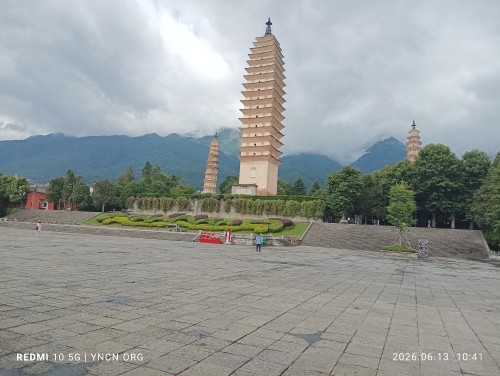
Dali: Erhai Lake bike loop, Xizhou Bai architecture, Three Pagodas.
Lijiang: Dayan Old Town (go at 07:00 before crowds), Black Dragon Pool view of Jade Dragon Snow Mountain, Baisha murals.
Shangri-La: Songzanlin Monastery, Napa Lake cycle, Dukezong old town prayer-wheel.
Optional: Tiger Leaping Gorge day-hike (upper trail, 3–4 h), Yuanyang terraces (winter sunrise mirrors).

4. Layer in experiences, not just sights
• Bai tie-dye workshop in Zhoucheng village.
• Naxi orchestra concert (Lijiang; 20:00 nightly).
• Tibetan family dinner + butter-tea in Shangri-La.
• Market breakfast: cross-the-bridge rice noodles, grilled rushan cheese, rose petal jam.

5. Handle altitude & weather
• Shangri-La sits at 3,300 m; pace yourself, pack ibuprofen and altitude-lozenges.
• Yunnan is “spring all year” only below 2,000 m; Jade Dragon Snow Mountain can be –5 °C even in May—rent a down jacket at the cable-car base.

6. Move around like a local
• Didi (Chinese Uber) works in Kunming/Dali/Lijiang; cashless via Alipay/WeChat.
• Buses to trailheads: Kunming to Stone Forest (1 h), Lijiang to Tiger Leaping Gorge (2 h).
• Bike share (Hello-Bike) for flat Erhai loop; e-bikes ¥30-40/day.

7. Sleep strategically
• Kunming: stay within 2 km of the station for 07:00 bullet trains.
• Dali: guesthouse on the west shore (Hai-xi) for lake sunrise.
• Lijiang: boutique hotel inside old town walls (cars can’t enter—porters meet you at gate).
• Shangri-La: choose a Tibetan wooden house with heated floors; oxygen bottles provided.

8. Sample 7-day itinerary (train-based, no flights)
D1 Land Kunming AM → Green Lake & market night.
D2 Stone Forest day-trip → 18:00 train to Dali.
D3 Erhai e-bike loop 30 km → Xizhou lunch → Dali old town.
D4 Bus to Lijiang (09:00) → wander Dayan, Naxi dinner.
D5 Jade Dragon Snow Mountain cable car + Blue Moon Valley → evening music show.
D6 Bus to Shangri-La (08:30) → Songzanlin, old town sunset.
D7 Napa Lake cycle → late PM bus back to Lijiang airport; fly out 21:00.

9. Cash & cards
ATMs take Visa/Plus in Kunming/Lijiang; elsewhere rely on mobile pay— preload Alipay with your passport. Guesthouses usually accept WeChat pay only.

10. Leave room for the unplanned
Morning market in a random county, a local festival (third-month street fair in Dali, Water-Splashing in Xishuangbanna April 13-15), or simply an extra day in a quiet Bai courtyard to finish that book—those often become the real highlight of “doing” Yunnan.

Follow the skeleton above, adjust days up or down, and you’ll cover the classics without box-ticking fatigue, yet still leave space for the spontaneous magic that makes Yunnan addictive.

tiger leaping gorge bridge

There are actually two major bridges at Tiger Leaping Gorge – one for road traffic and one for rail – completed in the past few years.

1. Expressway suspension bridge
– Part of the Shangri-La ↔ Lijiang expressway
– 1,017 m total length, single 766 m main span, single-tower steel-truss suspension design
– Deck about 250 m above the Jinsha (upper Yangtze) River
– Road deck joined January 2020, opened to traffic soon after .

2. Railway suspension bridge (Jinshajiang Hutiaoxia Railway Bridge)
– Carries the new Lijiang–Shangri-La line (Lixiang Railway)
– 660 m main span, 250 m high, truss-stiffened suspension bridge
– One tower 194 m tall, the other 155 m; main spans 132 + 660 + 132 m
– Completed 2021, now gives a ≈1 h train ride between the two tourist cities .

Both spans sit only about 1 km apart just downstream of the famous gorge viewing platform and are designed to clear a future 200 m-deep reservoir if the long-proposed Tiger Leaping Gorge dam is ever built .

Travel Guide to Balagezong

Location

Balagezong is located in Shangri-La City,Diqing Tibetan Autonomous Prefecture,Yunnan Province,China.It is part of the UNESCO-protected”Three Parallel Rivers”region.

pVbjtyt.jpg

Highlights

• Balagezong Village:A traditional Tibetan village with a history of over 1,300 years.The village is known for its well-preserved Tibetan culture and architecture.

• Shangri-La Pagoda:A naturally formed rock that resembles a pagoda,considered a sacred site in Tibetan Buddhism.

• Skyline Gorge:A narrow and steep canyon where you can look up at the sky from the bottom,offering breathtaking views.

• Echo Wall and Suspension Bridge:A wooden plank road along the cliffside of the canyon,providing stunning views of the Gangqu River below.

Best Time to Visit

pVq9ypF.jpg

• Summer(June to October):The weather is warm and suitable for hiking and sightseeing.

• Winter(December to February):The area is cold but serene,with beautiful winter scenery.

Transportation

• Public Transport:Buses are available from Shangri-La Bus Station to Balagezong.The journey takes about 1.5 to 2 hours.

• Private Car:Hiring a private car is a convenient option,especially if you want to explore the area at your own pace.The cost is around 400 yuan for a round trip.

• Self-Drive:If you prefer driving,it takes about 40 minutes to 1 hour from Shangri-La City.Follow National Highway 214 towards Deqin,turn right at the intersection marked with a Balagezong sign(about 50 km from Shangri-La City),and continue for 17 km to the visitor center.

Ticket Information

pVq96l4.jpg

• Adult Ticket:170 yuan.

• Discounts:

• Free Admission:Children under 1.2 meters tall(inclusive),children under 6 years old with valid identification,seniors over 70 years old with ID,retired military personnel,and disabled individuals with valid documentation.

• Other Discounts:Check local policies for additional discounts.

Accommodation

pVq9c6J.jpg

• Balagezong Tusi Manor:A boutique hotel with traditional Tibetan design,offering a unique cultural experience.

• Local Guesthouses:There are also guesthouses in Balagezong Village where you can stay and experience the local lifestyle.

Tips

• Weather:Bring warm clothing,especially if you visit in winter.

• Cultural Respect:Be mindful of local customs and traditions,especially when visiting religious sites.

• Photography:The area is photogenic,so bring your camera to capture the stunning landscapes and cultural heritage.

Balagezong is a perfect destination for nature lovers and cultural enthusiasts,offering a blend of natural beauty and rich Tibetan traditions.

Tiger Leaping Gorge (虎跳峡)

Tiger Leaping Gorge (虎跳峡) is one of the deepest and most spectacular river canyons in the world, located in Yunnan Province, southwestern China. It lies between the towns of Lijiang and Shangri-La, carved by the Jinsha River (a major tributary of the Yangtze River). The gorge stretches about 15 kilometers (9.3 miles) and reaches depths of up to 3,790 meters (12,434 feet), making it a dramatic destination for hikers and nature lovers.
The gorge is divided into three main sections:
Upper Tiger Leaping Gorge – The narrowest section, with a famous rock in the center of the river where, according to legend, a tiger leaped across to escape a hunter.
Middle Tiger Leaping Gorge – Known for its steep drops and dangerous rapids, including the “Mantianxing” reef area, which is considered the most treacherous part.
Lower Tiger Leaping Gorge – Offers panoramic views of the entire gorge and includes ferry crossings for hikers continuing to nearby villages.
Tiger Leaping Gorge is a world-renowned hiking destination. The most popular trail is the High Trail, which takes 1.5 to 2 days to complete and offers stunning views of the gorge, waterfalls, and the snow-capped Jade Dragon Snow Mountain and Haba Snow Mountain.
Best time to visit is during spring (April–June) and autumn (September–October), when the weather is mild and the scenery is at its most vibrant. The rainy season (June–September) is best avoided due to risks of landslides and falling rocks.
Local villages like Nuoyu Village serve as rest stops for hikers and are home to the Naxi people, who traditionally rely on agriculture and herbal medicine.
In summary, Tiger Leaping Gorge is not only a natural wonder but also a cultural and adventure hotspot, offering a memorable experience for trekkers and travelers alike.

Beijing

Beijing is a city that integrates ancient and modern cultures,history,and modern technology,with a rich and diverse range of tourist resources.Here is a travel guide to Beijing,including must-see attractions and food recommendations.

Must-See Attractions

•Tiananmen Square:The largest city center square in the world,it is one of the iconic attractions in Beijing.

•The Palace Museum:A symbol and representation of ancient China,it houses a large number of precious buildings and cultural relics.

•The Great Wall at Badaling:The essence of the scenery of the Ming Great Wall,featuring majestic and steep landscapes combined with beautiful and lush scenery.

•The Summer Palace:The largest and best-preserved royal garden in China,known as the”Royal Garden Museum.”

•Temple of Heaven Park:A place where emperors of the Ming and Qing dynasties worshipped heaven and prayed for good harvests,it is one of the UNESCO World Heritage Sites.

•Olympic Park:Featuring Olympic venues such as the Bird’s Nest and the Water Cube,it is a cluster of iconic modern buildings in Beijing.

Food Recommendations

•Peking Duck:The roast duck at Sijiminfu is hailed as the”best Peking duck in Beijing.”The duck skin is crispy like sugar wafers,melting in the mouth,while the duck meat is tender and juicy.

•Zhajiangmian(Noodles with Soybean Paste):Zhajiangmian at Fangzhuang No.69 is a representative of Beijing cuisine.The handmade noodles are paired with slow-cooked soybean paste from Liubiju,featuring a bright sauce color and savory minced meat.

•Lu Zhu Huoshao(Stewed Pork Offal):The Lu Zhu Huoshao at Beixinqiao is a”living fossil”of Beijing’s stewed pork offal.The dish mainly consists of pig intestines,lungs,tofu,and vermicelli,with a rich soup and soft,flavorful ingredients.

•Huguo Temple Snacks:This place gathers many authentic Beijing snacks,such as驴打滚(lǘ dǎ gǔn,donkey roll),豌豆黄(wān dòu huáng,pea yellow),and艾窝窝(ài wō wo,love nest).

•Hot Pot Lamb:The hot pot lamb at Ju Baoyuan is a warming winter delicacy in Beijing.Hand-sliced lamb is paired with sesame paste seasonings,restoring the essence of the old Beijing copper pot.

Practical Tips

•Avoid Peak Meal Times:Popular restaurants have long queues on weekends.It is recommended to visit during weekdays,either at noon or before 4 p.m.

•Explore Hutongs:Avoid tourist areas such as Wangfujing and Qianmen,and head to places like Niujie,Xisi,and Beixinqiao to experience more authentic Beijing cuisine.

•Seasonal Choices:In winter,try warming dishes like lamb蝎子(xie zi,scorpion)and hot pot lamb.In summer,enjoy cooling dishes like Zhajiangmian and pea yellow,following the ancient principle of”eating in season.”

We hope this guide can help you better plan your trip to Beijing and enjoy the unique charm of this city.

A Journey Through Time and Tradition:My Dali,Yunnan Trip

Nestled in the heart of Yunnan Province,Dali is a place where ancient traditions meet modern lifestyles,and where breathtaking natural beauty intertwines with rich cultural heritage.This travelogue aims to take you on a journey through the enchanting landscapes and vibrant communities of Dali,offering insights into what makes this region a must-visit destination.

The Allure of Dali

Dali has long been a magnet for travelers seeking a blend of natural beauty and cultural depth.With its mild climate,stunning landscapes,and rich history,it offers a unique experience that is both relaxing and enriching.Whether you are a history buff,a nature lover,a cultural enthusiast,or a digital nomad seeking a change of scenery,Dali has something to offer everyone.

Getting There

Dali is well-connected by both air and rail.The Dali Airport offers flights from major cities in China,while the high-speed train station provides convenient access from cities like Kunming.Once in Dali,renting a bike or using local transportation is the best way to explore the city and its surroundings.

Exploring Dali’s Natural Wonders

The Majestic Cangshan Mountain

No visit to Dali is complete without a trip to Cangshan Mountain.This iconic landmark offers a perfect blend of adventure and tranquility.Whether you choose to hike its trails or take the cable car to the summit,the panoramic views of the surrounding region are simply breathtaking.The mountain is also home to a variety of flora and fauna,making it a paradise for nature lovers.


The Picturesque Erhai Lake

Erhai Lake is often described as the“pearl of Yunnan.”Its crystal-clear waters and serene surroundings make it an ideal spot for relaxation.Cycling around the lake is a popular activity,allowing you to take in the scenic beauty at your own pace.Along the way,you’ll encounter quaint villages,lush wetlands,and charming cafes where you can stop for a refreshing drink.

Discovering Dali’s Cultural Heritage


The Ancient Town of Dali

The Ancient Town of Dali is a living testament to the region’s rich cultural heritage.This well-preserved town is famous for its traditional Bai ethnic architecture.The highlight of any visit to the Ancient Town is the chance to explore its narrow,cobblestone streets,visit historic temples,and experience local customs.The town’s tranquil atmosphere and warm hospitality make it a perfect place to slow down and soak in the local way of life.


The Bai Ethnic Culture

The Bai people are one of the main ethnic groups in Dali,and their unique culture is a significant part of the region’s charm.From the traditional Bai dress to their intricate handicrafts,every aspect of their culture tells a story.Participating in a Bai cultural experience,such as learning about their traditional tea ceremonies or trying your hand at Bai embroidery,offers a deeper understanding of this vibrant community.

Traditional Bai Dishes

Bai cuisine is a delightful blend of flavors and traditions that reflect the unique cultural heritage of the Bai people.Traditional dishes include Baba(a traditional Bai pastry),Erkuai(a type of rice cake),and various pickled and fermented foods.The Bai people are also known for their hospitality,and food plays a central role in their social and cultural life.Trying Bai dishes is a must when visiting Dali.


Modern Day Dali:A Hub for Digital Nomads

In recent years,Dali has emerged as a popular destination for digital nomads.With its affordable living costs,reliable internet access,and beautiful surroundings,it’s no wonder that many remote workers have chosen to make Dali their temporary home.Co-working spaces and digital nomad communities have sprung up throughout the city,providing a supportive environment for those seeking a balance between work and leisure.

Practical Tips for Your Dali Trip

Best Time to Visit

Dali enjoys a mild climate year-round,but the best times to visit are during the spring(March to May)and autumn(September to November).During these seasons,the weather is pleasant,and the natural landscapes are at their most beautiful.

Accommodation

Dali offers a wide range of accommodation options to suit every budget.From luxury resorts overlooking Erhai Lake to cozy guesthouses in the heart of the Ancient Town,you’ll find a place that meets your needs and preferences.

Getting Around

Once in Dali,renting a bike or using local transportation is the best way to explore the city and its surroundings.Biking is particularly popular,allowing you to take in the scenic beauty at your own pace.


Conclusion

Dali,Yunnan,is a destination that offers something for everyone.Its blend of ancient traditions and modern amenities creates a unique atmosphere that is both relaxing and inspiring.From the majestic Cangshan Mountain to the serene Erhai Lake,from the vibrant Ancient Town to the rich Bai culture,Dali is a place where you can truly immerse yourself in the beauty and charm of Yunnan.So,pack your bags and embark on a journey to discover the timeless allure of Dali.

heqing

Heqing County (鹤庆县) is located in the northwest of Yunnan Province, China, within Dali Bai Autonomous Prefecture. It lies on the important Dali–Lijiang route, making it a key stop for travelers between these two major tourist destinations.

Key Facts:

  • Area: 2,395 km²
  • Population: ~281,000 (as of 2018)
  • Ethnic Composition: 68.5% ethnic minorities, mainly Bai, Yi, Miao, and Lisu
  • County Seat: Yunhe Town
  • Altitude: Ranges from 1,162 m to 3,958 m
  • Climate: Plateau monsoon climate with dry winters and wet summers

Cultural & Natural Highlights:

  • Xinhua Village: Famous for traditional silverware craftsmanship
  • Caohai Wetland: A highland wetland and ecological attraction
  • Shuahai Festival: A traditional Bai ethnic celebration held annually

Transportation:

  • Air: 14 km from Lijiang Airport
  • Rail: Direct high-speed trains from Kunming (2–3 hours)
  • Road: Connected via the Dali–Lijiang Expressway
Heqing is known for its ethnic diversity, craft heritage, and scenic landscapes, making it both a cultural and natural destination in Yunnan.

Location & Access

  • 5–7 km north of Heqing county seat
  • 12 km from Lijiang Sanyi International Airport (≈10 min drive)
  • No public bus; reachable by taxi, ride-share, bicycle or tour van

Craft Heritage

  • 3,000+ family workshops still use ancestral small-hammer techniques
  • In 2014 “Heqing silver craft” was added to China’s National Int

1. Where it is

  • 5–7 km north of Heqing county seat, on the south-western edge of Lijiang plain
  • 12 km (≈10 min drive) from Lijiang Sanyi International Airport; no public bus, so visitors arrive by taxi, ride-share, bicycle or tour van
  • Altitude ≈ 2,000 m; backed by Fenghuang Mountain and fronted by the Caohai plateau wetland, giving it the nickname “Water-town on the High Plateau”

2. Why it matters

  • Over 3,000 family workshops still use the “small-hammer-for-1,000-years” technique; sound of tapping can be heard in every lane

  • In 2014 “Heqing silver craft” was listed as National Intangible Cultural Heritage; masters such as Cun Fabiao and Mu Binglin have had pieces collected by the Cultural Palace of Nationalities and by UNESCO

Products range from traditional butter-tea pots, Tibetan helmets and Miao headdresses to modern jewellery and designer tea-sets; sold all over China and exported to Nepal, India, Japan, the U.S., etc.

  • More than half of village labour force works in metalware; annual sales exceed RMB 170 million

3. What you can see & do

  • Silver-smithing demonstration courtyards: watch a ingot become a filigree bracelet in 20 minutes
  • Yindu Shuixiang (Silver Capital Water-Land) scenic area: stone bridges, artesian springs, white-walled Bai houses with grey tile and “three-house-one-screen-wall” courtyards
  • Caohai Wetland Park (free): black-necked cranes in winter, board-walks at sunset
  • Local food: Heqing rice cake, blown pig-liver, raw-hide salad, copper-pot stewed rice; many courtyard cafés now run by young returnees who combine coffee, craft beer and silver-design studios

Heqing silverware refers to the traditional hand-forged silver crafts produced in Heqing County, Yunnan Province, China—especially in Xinhua Village, known as the “First Silver Village” in China. This craft has a history of over 1,000 years, primarily passed down among the Bai ethnic group.

Key Features:

  • Material: Pure silver (often 999 sterling silver)
  • Craftsmanship: Includes techniques like filigree, relief carving, micro-carving, and three-dimensional engraving
  • Products: Tea sets (e.g., silver teapots, cups), jewelry (bracelets, rings, earrings), and decorative items (e.g., dragon-themed sculptures, screens)

Cultural Significance:

National Intangible Cultural Heritage since 2014
  • Over 3,000 workshops in Xinhua Village
  • Generates significant local employment—over 5,600 people directly involved in silver crafting

Notable Artisans:

  • Li Yaohua: Focuses on integrating silverware into daily life with practical designs
  • Cun Fa Biao: Created the massive silver screen “Chinese National Family Builds the Chinese Dream”, depicting all 56 ethnic groups

Where to Buy:

  • Xinhua Silverware Art Town in Heqing County
  • Prices are generally lower and more authentic than in tourist-heavy towns like Lijiang or Dali
  • Look for shops inside the “Water Town Silver Capital” archway for better prices
If you’re visiting, you can also try short silver crafting experiences—some shops offer half-day workshops to make simple jewelry like rings.

A traditional Dali-Bai wedding

A traditional Dali-Bai wedding is built around three stages—pre-wedding, wedding-day and post-wedding—and every step is soaked in symbolism, music, rice and tea.

1. Pre-wedding build-up

  • Stage & Opera: The groom’s family erects a small wooden stage in the courtyard and hires local musicians and opera singers to perform all night; this “warming-up” party is called “na-qing” and is meant to inform the whole village that a marriage is coming

    .

  • Betrothal: Although most couples today choose each other freely, the groom still presents tea, wine and a “red-bag” gift to the bride’s parents; the amount is negotiated through a matchmaker, echoing the old parent-arranged system

    .

2. Wedding day – the ritual sequence

a) Sacred gate-blocking
At dawn the groom and his best-men team arrive at the bride’s gate but are stopped. A married female relative of the bride holds a tray of “sacred wine”; the groom sprinkles the wine on the ground to inform and invite the bride’s household gods to witness the union. Only then is he allowed in

.

b) Rice-for-prosperity
While the bride is being dressed, an elder woman feeds her a mouthful of steamed rice—symbolising the staple life she is “taking away”. She chews it lightly, spits it onto a square of green cloth, wraps it and slips the bundle into her pocket. Later, in the bridal chamber, she will place the rice under the marriage bed to pray for abundant children and wealth

.

c) Crying farewell & comic quiz
Before leaving, the bride performs a ritual “cry” to thank her parents. Meanwhile the welcome team must answer funny, rapid-fire questions posed by village elders—quick wit is thought to guarantee a happy, laughter-filled household

.

d) Three-course “bitter-sweet-aftertaste” tea
On the road or at the gate, 4–6 boys from the bride’s family serve the famous Bai Three-Cups-of-Tea:
  1. bitter roasted tea (life starts with hardship),
  2. sweet tea with walnut, brown-sugar and milk fan (the sweetness of love),
  3. spicy after-taste tea laced with ginger, pepper and honey (memories that linger)

    .

e) Fetching the bride – back-carried figure-8
In many Dali villages the groom (or his best man if taboo applies) carries the bride on his back, making a figure-of-eight loop at every crossroads to confuse evil spirits and ensure the couple never goes in circles again

.

f) Torch dash & pinching rite
When the procession reaches the groom’s house, two 10-year-old boys with pine torches race up the stairs and into the nuptial chamber. The bride, flanked by bridesmaids, dashes after them while guests playfully pinch her—both acts are believed to drive away ghosts and fertilise the union with masculine fire energy

.

g) Kowtow & cross-cupped wine
In the main hall the couple bows to Heaven-Earth, ancestral tablets and parents, then drink “cross-cupped” wine from each other’s cup, formally becoming husband and wife

.

3. Post-wedding

  • Next-morning “returning thank”: The groom sends a small gift to the bride’s parents and the bride makes her first short visit back home, signifying that she is still a daughter even while now a wife

    .

4. What you will see if you attend today

  • Colourful hand-loomed Bai clothing—white with embroidered blue or pink trims.
  • A courtyard stage with suona horns, three-string lute and opera singers.
  • Indigo-dye tablecloths or quilts (zhou-cheng tie-dye, the same cloth every Bai bride takes as dowry)

    .

  • Plenty of local specialities at the banquet: rushan (milk fan), er-kuai rice cakes, fresh carp from Erhai Lake, and of course steamed highland rice.

5. Modern twists

Young couples sometimes compress the sequence into a one-day “destination wedding” by Erhai Lake, using park-style marriage registries that Yunnan has set up for cross-region couples, but they usually keep the sacred-wine sprinkling, the rice bundle and the three cups of tea for the cameras

.

In short, a Dali Bai wedding is a theatrical, rice-centred, tea-flavoured pageant whose message is clear: honour the gods, honour the parents, bless the new household with prosperity, fertility and endless good humour.