## 🏔️ Must-Visit Classic Attractions
### 1. **Jade Dragon Snow Mountain (玉龙雪山)** – Lijiang
– Sacred mountain of the Naxi people with magnificent glacier parks
– Highlights: Large cableway, Yak Meadow, Spruce Meadow, Blue Moon Valley
– Recommended: Half-day visit
### 2. **Erhai Lake (洱海)** – Dali
– One of Yunnan’s most beautiful lakes with crystal-clear waters
– Best experience: Cycling around the lake (2-3 days), sunrise/sunset views
– Nearby: Shuanglang Ancient Town, Xizhou Ancient Town
### 3. **Lijiang Ancient Town (丽江古城)**
– One of China’s four famous ancient towns with rich Naxi culture
– Highlights: Sifang Square, Naxi Ancient Music, Dongba culture
– Quieter alternative: **Shuhe Ancient Town** (more authentic, less commercial)
### 4. **Lugu Lake (泸沽湖)**
– Known as “Oriental Daughter’s Kingdom,” home to the matrilineal Mosuo people
– Features: Water hyacinths, Mosuo bonfire parties
– Recommended: 1 day
### 5. **Shangri-La & Pudacuo National Park (香格里拉·普达措国家公园)**
– 5A-rated scenic area with alpine meadows and pristine forests
– Summer wildflowers, winter snow activities
– Nearby: Songzanlin Monastery (“Little Potala Palace”)
## 🌿 Natural Wonders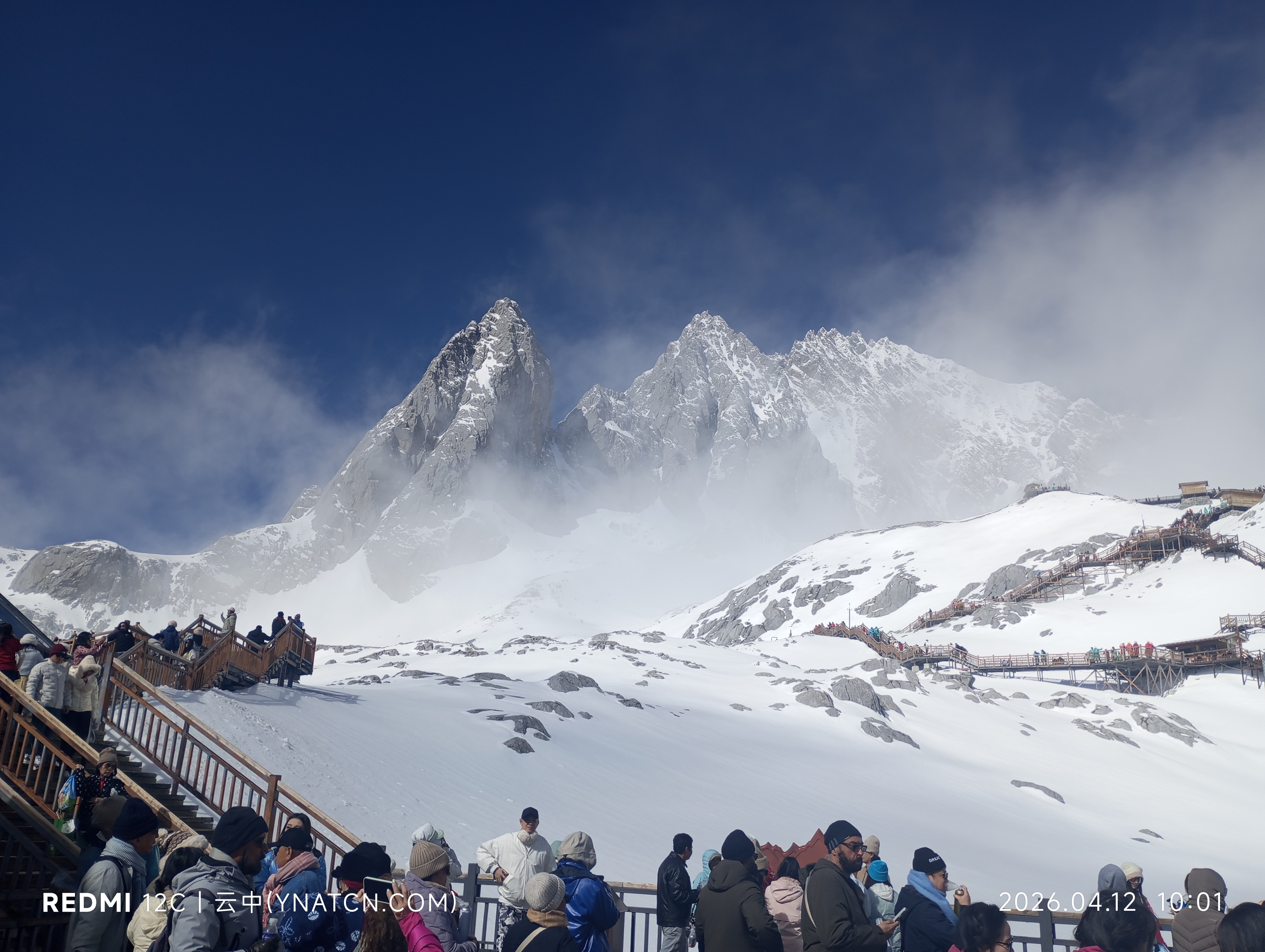
| Scenic Spot | Features | Location |
|————-|———-|———-|
| **Tiger Leaping Gorge (虎跳峡)** | One of China’s most spectacular canyons | Shangri-La |
| **Stone Forest (石林风景区)** | Karst landscape wonder | Kunming |
| **Xishuangbanna Tropical Botanical Garden** | China’s largest tropical botanical garden | Xishuangbanna |
| **Meili Snow Mountain (梅里雪山)** | One of Tibet’s eight sacred mountains, golden sunrise views | Deqin |
| **Cangshan Shimen Pass (苍山石门关)** | Cliff walkways, glass skywalks, waterfalls | Dali Yangbi |
## 🏛️ Cultural Ancient Towns
– **Dali Ancient Town** – Bai ethnic traditional architecture, Foreigner Street boutiques
– **Guandu Ancient Town (Kunming)** – Ming-Qing dynasty architecture, rich history
– **Jianshui Ancient Town** – Swallow Cave (magnificent karst cave), Imperial Examination Hall
– **Heshun Ancient Town (Tengchong)** – Small but beloved by international travelers
## 🌴 Unique Experience Destinations
**Xishuangbanna**
– Wild Elephant Valley, Dai Ethnic Garden (Water Splashing Festival experience)
– Menghai Dayi Manor (tea mountain mists, tea-picking experience)
**Honghe Prefecture**
– Yuanyang Rice Terraces (Hani ethnic terraced fields wonder)
– Keyi Town (Yi ethnic culture, birthplace of “Axi Moon Dance”)
**Pu’er**
– Tea Horse Road Tourist Area
– Jingmai Mountain (ancient tea forests, UNESCO World Heritage site)
## 💡 Travel Tips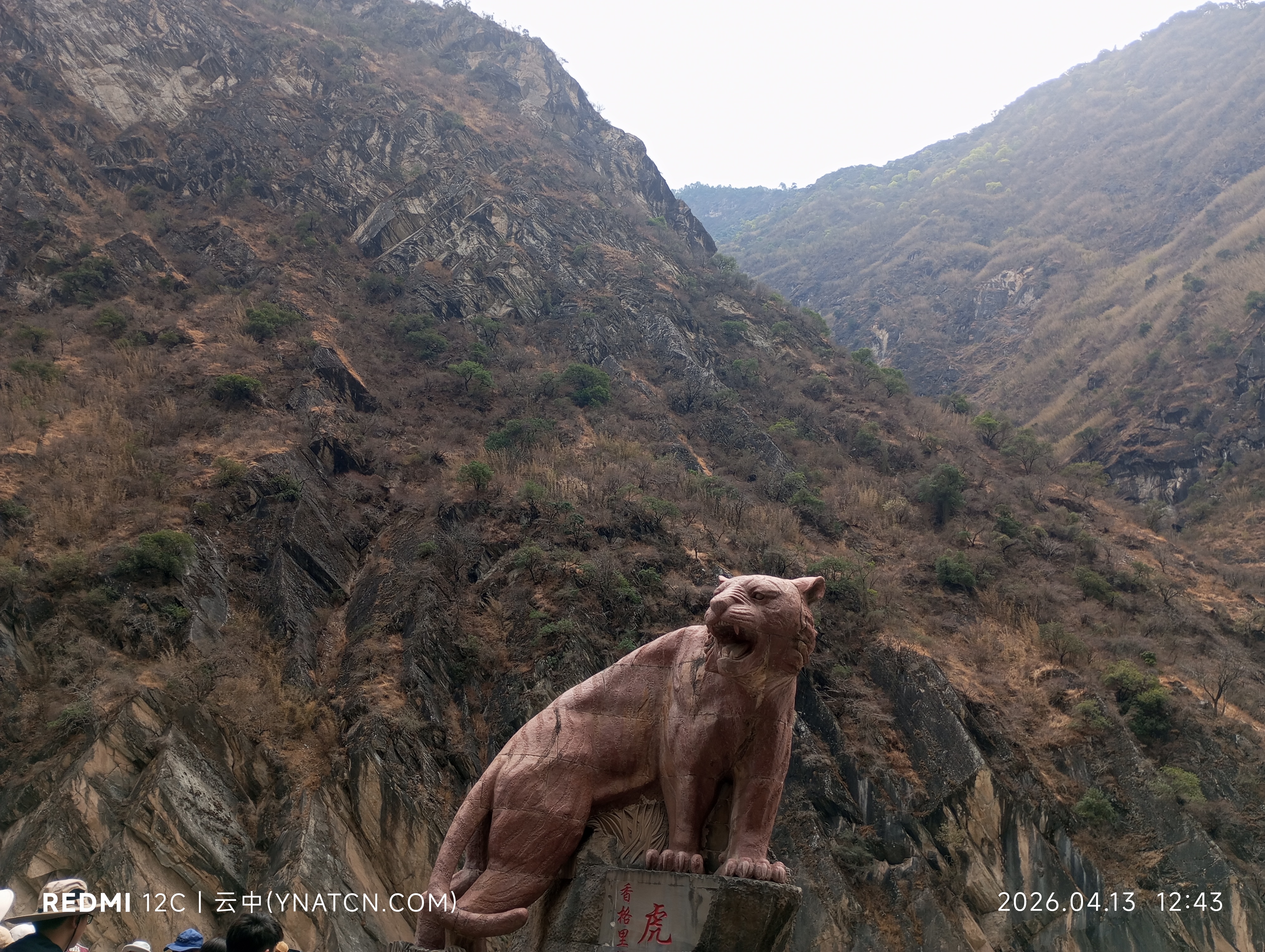
**Best Time to Visit** :
– **Spring (Mar-May)**: Best for flowers, Kunming Dianchi Lake, Dali Erhai Lake
– **Summer (Jun-Aug)**: Perfect escape from heat, Shangri-La, Xishuangbanna
– **Autumn (Sep-Nov)**: Most pleasant weather and scenery
– **Winter (Dec-Feb)**: Snow views at Jade Dragon Snow Mountain, hot springs
Yunnan enjoys spring-like weather year-round, making it a perfect destination in any season!