
Yunnan Snub-Nosed Monkey(滇金丝猴/Black Snub-Nosed Monkey)
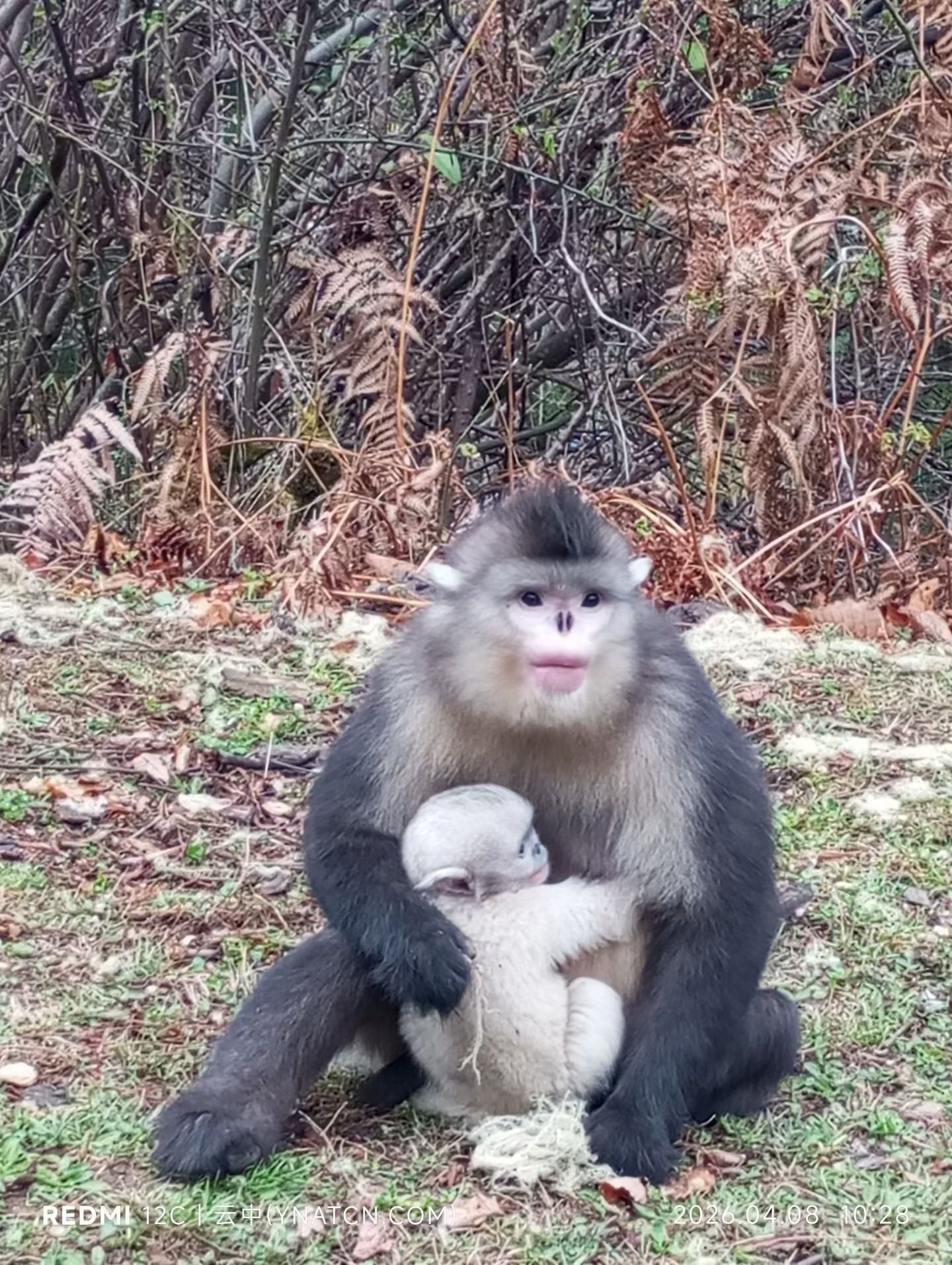
TheYunnan snub-nosed monkey(Rhinopithecus bieti),also known as theblack snub-nosed monkeyor滇金丝猴,is one of the most endangered primates in the world and a remarkable conservation success story.
[Yunnan snub-nosed monkey Rhinopithecus bieti]()
Key Characteristic
Feature Description
Scientific Name Rhinopithecus bieti
Altitude Range 3,000–4,700 meters—the highest of any non-human primate
Population 3,000 individuals(up from1,000 in 2001)
Conservation Status Endangered
Main Habitat Evergreen needle-leaf forests in the Hengduan Mountains
Primary Food Lichens(Spanish moss),which they digest using a fermenting gut similar to cows
Distribution&Habitat
The species is restricted to theHengduan Mountainsof northwestern Yunnan and southeastern Tibet.Research shows:
• Potential suitable habitat:7,413 km²
• Actually inhabited:4,165 km²
• Key habitat type:Evergreen needle-leaf forest(83%of suitable area)
The monkeys prefer large,connected patches of forest.Areas with monkeys have lower patch density and larger continuous forest patches compared to uninhabited suitable areas.
Conservation Success
This species represents a major conservation achievement:
• 1990s:Nearly unknown to science,population1,000
• 2001:Chinese biologistLong Yongchengpartnered with The Nature Conservancy(TNC)
• Present:Population tripled to3,000 and continues rising
The establishment ofBaima Snow Mountain National Park(白马雪山)and three nature reserves(Baimaxueshan,Yunling,and Tianchi)between 1983–2003 has been crucial for recovery.
Threats
Despite progress,challenges remain:
Threat Impact
Habitat fragmentation Limits altitudinal migration and movement between patches
Historical logging Caused local extinctions even in suitable habitat
Roads and rivers Create barrier effects isolating populations
Climate change Affects lichen distribution,their staple food
Illegal hunting Ongoing risk
Interesting Facts
• They live in large”supergroups”with one dominant male and multiple females
• Their upturned noses cause them to sneeze frequently in rain
• Reproduction is slow:one birth every 2–3 years
• They were discovered in the 1890s,then”lost”and thought extinct until 1962

Researchers propose establishing anational parkspecifically for Yunnan snub-nosed monkeys and reintroducing them to historically occupied suitable habitats to further expand their range.