Category Archives: Yunnan

A traditional Dali-Bai wedding

A traditional Dali-Bai wedding is built around three stages—pre-wedding, wedding-day and post-wedding—and every step is soaked in symbolism, music, rice and tea.

1. Pre-wedding build-up

  • Stage & Opera: The groom’s family erects a small wooden stage in the courtyard and hires local musicians and opera singers to perform all night; this “warming-up” party is called “na-qing” and is meant to inform the whole village that a marriage is coming

    .

  • Betrothal: Although most couples today choose each other freely, the groom still presents tea, wine and a “red-bag” gift to the bride’s parents; the amount is negotiated through a matchmaker, echoing the old parent-arranged system

    .

2. Wedding day – the ritual sequence

a) Sacred gate-blocking
At dawn the groom and his best-men team arrive at the bride’s gate but are stopped. A married female relative of the bride holds a tray of “sacred wine”; the groom sprinkles the wine on the ground to inform and invite the bride’s household gods to witness the union. Only then is he allowed in

.

b) Rice-for-prosperity
While the bride is being dressed, an elder woman feeds her a mouthful of steamed rice—symbolising the staple life she is “taking away”. She chews it lightly, spits it onto a square of green cloth, wraps it and slips the bundle into her pocket. Later, in the bridal chamber, she will place the rice under the marriage bed to pray for abundant children and wealth

.

c) Crying farewell & comic quiz
Before leaving, the bride performs a ritual “cry” to thank her parents. Meanwhile the welcome team must answer funny, rapid-fire questions posed by village elders—quick wit is thought to guarantee a happy, laughter-filled household

.

d) Three-course “bitter-sweet-aftertaste” tea
On the road or at the gate, 4–6 boys from the bride’s family serve the famous Bai Three-Cups-of-Tea:
  1. bitter roasted tea (life starts with hardship),
  2. sweet tea with walnut, brown-sugar and milk fan (the sweetness of love),
  3. spicy after-taste tea laced with ginger, pepper and honey (memories that linger)

    .

e) Fetching the bride – back-carried figure-8
In many Dali villages the groom (or his best man if taboo applies) carries the bride on his back, making a figure-of-eight loop at every crossroads to confuse evil spirits and ensure the couple never goes in circles again

.

f) Torch dash & pinching rite
When the procession reaches the groom’s house, two 10-year-old boys with pine torches race up the stairs and into the nuptial chamber. The bride, flanked by bridesmaids, dashes after them while guests playfully pinch her—both acts are believed to drive away ghosts and fertilise the union with masculine fire energy

.

g) Kowtow & cross-cupped wine
In the main hall the couple bows to Heaven-Earth, ancestral tablets and parents, then drink “cross-cupped” wine from each other’s cup, formally becoming husband and wife

.

3. Post-wedding

  • Next-morning “returning thank”: The groom sends a small gift to the bride’s parents and the bride makes her first short visit back home, signifying that she is still a daughter even while now a wife

    .

4. What you will see if you attend today

  • Colourful hand-loomed Bai clothing—white with embroidered blue or pink trims.
  • A courtyard stage with suona horns, three-string lute and opera singers.
  • Indigo-dye tablecloths or quilts (zhou-cheng tie-dye, the same cloth every Bai bride takes as dowry)

    .

  • Plenty of local specialities at the banquet: rushan (milk fan), er-kuai rice cakes, fresh carp from Erhai Lake, and of course steamed highland rice.

5. Modern twists

Young couples sometimes compress the sequence into a one-day “destination wedding” by Erhai Lake, using park-style marriage registries that Yunnan has set up for cross-region couples, but they usually keep the sacred-wine sprinkling, the rice bundle and the three cups of tea for the cameras

.

In short, a Dali Bai wedding is a theatrical, rice-centred, tea-flavoured pageant whose message is clear: honour the gods, honour the parents, bless the new household with prosperity, fertility and endless good humour.

Shangri-La (香格里拉)

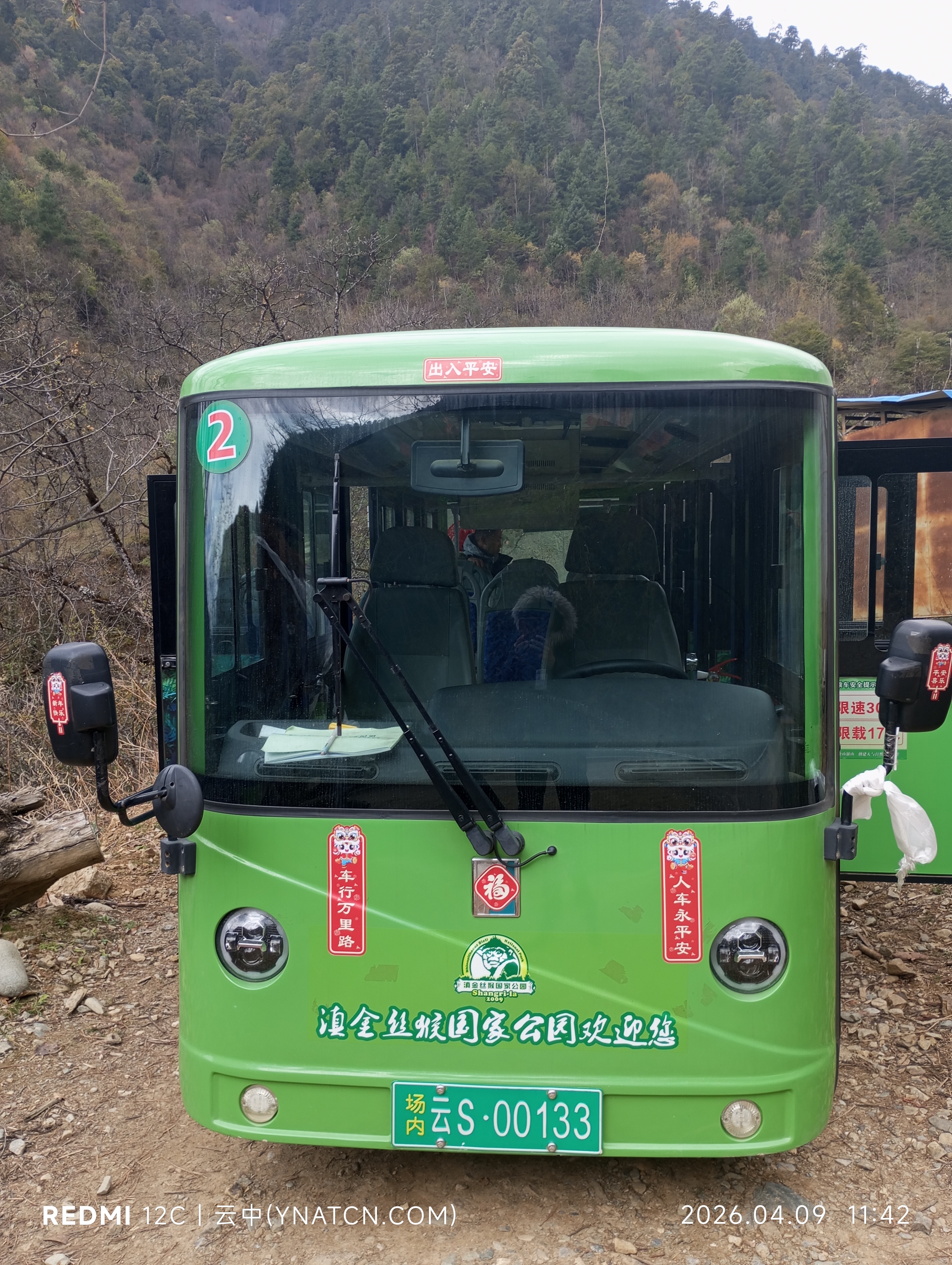
Shangri-La (香格里拉), located in northwest Yunnan’s Diqing Tibetan Autonomous Prefecture, is a high-altitude destination (≈ 3,200 m / 10,500 ft) celebrated for Tibetan culture, snow-capped peaks, and the legendary “Three Parallel Rivers” UNESCO site. September is still the tail-end of the rainy season: expect 16–26 °C, frequent passing showers or late thunderstorms, and only about 5–6 h of clear sunshine per day—pack layers and light rain-gear

.

Getting there & away

  • Air: Diqing Shangri-La Airport (DIG) has daily non-stops from Kunming (1 h) and Lhasa; most other cities connect via Kunming

    .

  • Surface: A high-speed rail line from Lijiang to Shangri-La opened recently; the ride (≈ 1 h 20 min) is faster and far more scenic than the old 4-hour bus

    . Classic overland routes continue south to Dali (4 h by car) and Kunming (6–7 h).

What to see & do (2–5 day sample modules)

  1. Songzanlin Monastery – “Little Potala” Tibetan monastery just outside town.
  2. Dukezong Old Town – rebuilt Tibetan quarter with prayer-wheel square and craft shops.
  3. Pudacuo National Park – China’s first national park: lakes Shudu & Bita, spruce forests, easy board-walks (1-day).
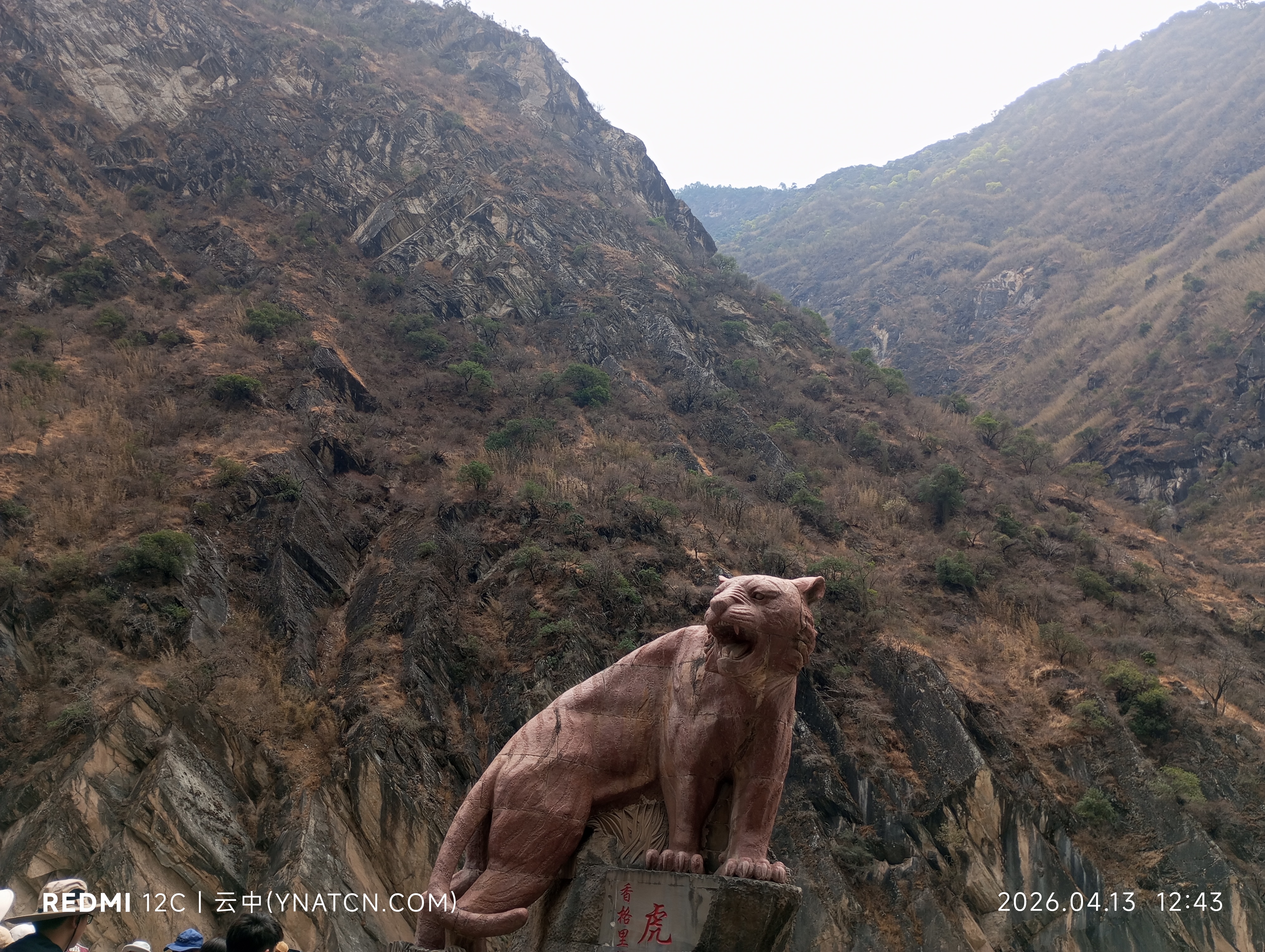
  4. Tiger Leaping Gorge – one of Asia’s deepest river canyons; 2- to 3-day high-trail trek or a half-day drive to the lower gorge viewing platform (on the road from Lijiang).
  5. Napa Lake – seasonal wetland for black-necked cranes; bike or horse-ride circuit.
  6. Balagezong Grand Canyon – dramatic 2-day 4×4 & hiking trip into a hidden valley of the Three Parallel Rivers area

    .

  7. Meili Snow Mountain & Yubeng Village – serious 5-day alpine trek beneath 6,740 m Kawagebo peak, starting from Feilai-si viewpoint

    .

Altitude tips

  • Ascend gradually (sleep one night in Lijiang 2,400 m first if possible).
  • Hydrate, avoid alcohol the first evening, and take short walks only on arrival day; serious AMS is rare but Diamox can be carried as backup

    .

Where to stay

  • Upscale: Shangri-La Hotel Diqing (town centre, 230 rooms, indoor pool, spa) – the only international five-star in the county

    ; Songtsam Linka or Arro Khampa for boutique Tibetan-style lodges.

  • Mid-range: Guest-houses in Dukezong Old Town (hot-water, oxygen available on request).
  • Unique: Hidden Valley Resort glamping tents in a quiet valley outside town

    .

Sample 4-day itinerary (fits into longer Yunnan loop)

Day 1 Arrive by flight or rail from Lijiang, rest & acclimatise; sunset at Songzanlin.
Day 2 Full-day Pudacuo National Park; evening stroll & yak-butter tea in Old Town.
Day 3 Morning drive to Tiger Leaping Gorge, hike high trail 2 h, continue to Feilai-si for Meili viewpoint; overnight in mountain lodge.
Day 4 Sunrise on Meili peaks, return to Shangri-La airport or rail station for onward travel.

Best season

Late Sept–Oct & April–May offer clearest mountain views; Dec–Feb is dry but cold (-10 °C nights) and great for Meili photography. Mid-summer (Jun–Aug) is lush but cloudier and wetter.

Entry requirements

No special permits; standard Chinese visa. Domestic flights accept passports or Chinese ID. Bring sunscreen (UV is strong at 3,000 m) and cash—many small eateries still prefer WeChat/Alipay or RMB notes.
In short, Shangri-La is now easier than ever to reach by high-speed train from Lijiang, rewards visitors with authentic Tibetan culture and pristine alpine scenery, but give yourself a day to adjust to the altitude and pack for changeable high-plateau weather.

Dianchi Lake

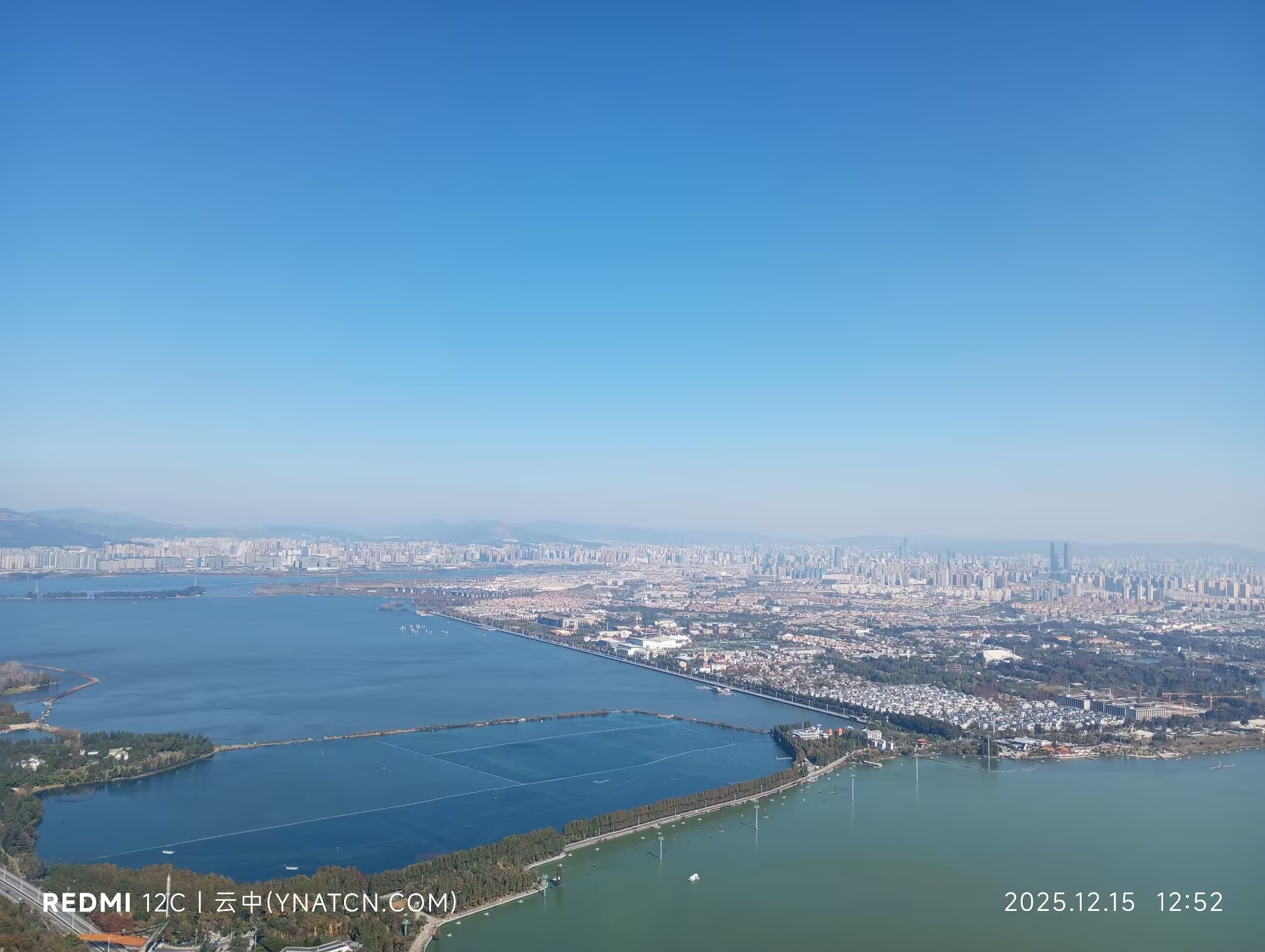
Dianchi Lake (滇池) is the largest freshwater lake in Yunnan Province and the sixth largest in China, covering about 306 km² (118 square miles). Located to the southwest of Kunming at an elevation of 1,886 m (6,186 ft), it is often called the “Pearl on the Plateau” for its striking mountain-ringed scenery

Key facts
  • Dimensions: roughly 39 km north–south and 13 km east–west, with a storage capacity of 15.7 billion m³ .
  • Origin of name: derives from the ancient Dian tribe that once lived on its shores .
  • Tourism status: one of China’s 12 national-level tourist resorts, featuring sights such as Haigeng Park, Dianchi Corner, and the nearby Western Hills (a.k.a. “Sleeping Beauty Hills”)

    .

  • Biodiversity: after decades of pollution-control efforts, wetland vegetation coverage has risen from 13 % (2007) to 81 %, plant species from 232 to 303, and bird species from 89 to 175

    .

  • Best time to visit: March–May and September–November, when weather is mild and skies are clear .
Popular itinerary
  • Morning: Yunnan Ethnic Village (25 ethnic cultures in one open-air museum).
  • Mid-day: Haigeng Park—lakeside walks, seasonal black-headed gulls (Nov–Mar).
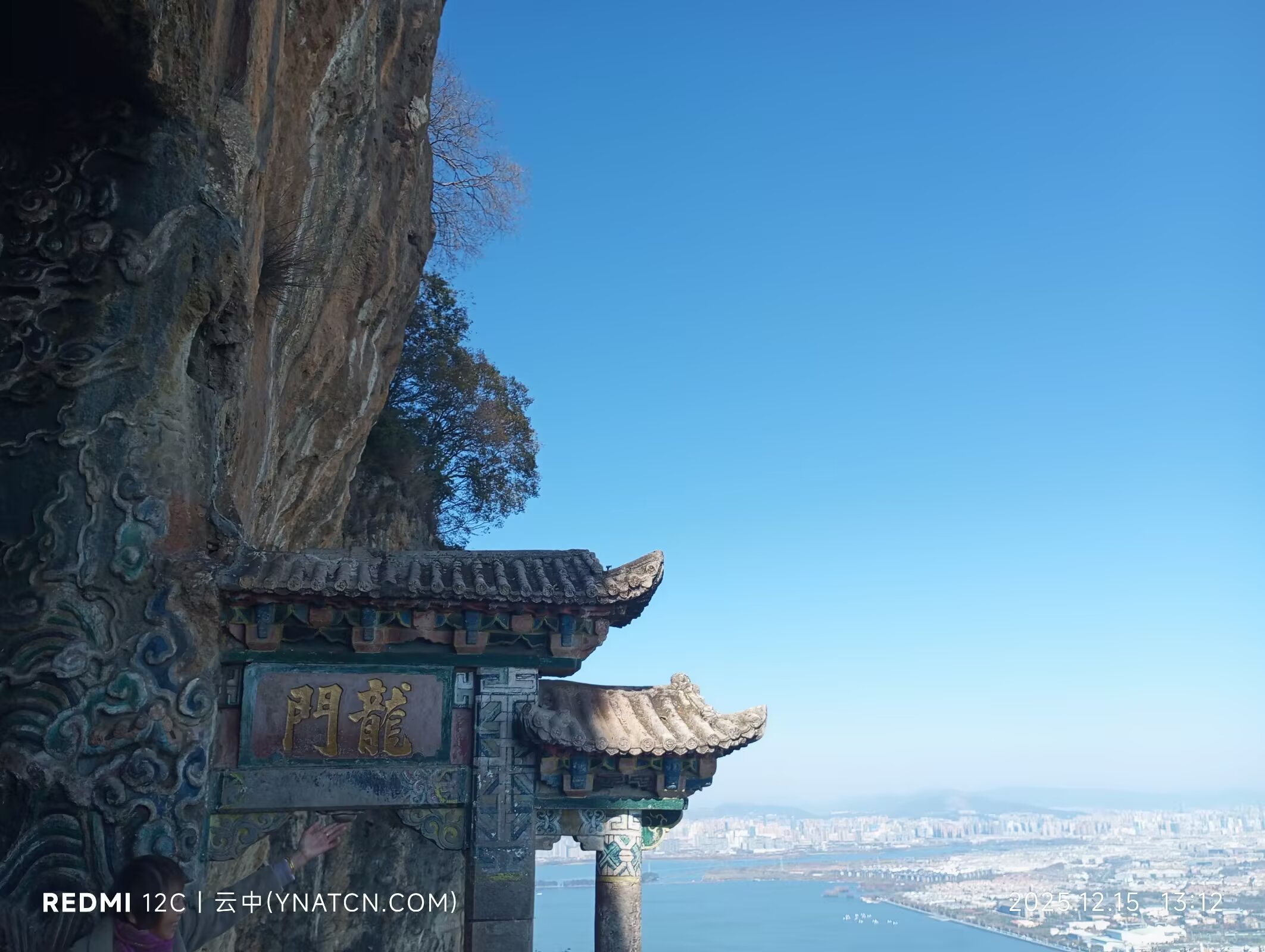
  • Afternoon: Cable-car or hike up Western Hills to Dragon Gate for panoramic lake views

    .

Transport From Kunming Changshui International Airport, a taxi takes 40–50 min (¥70–100); city buses C26, 24, or 44 also serve the area.

Yunnan Tour Hotspot

Yunnan, a province in southwestern China, is celebrated for its stunning landscapes, rich ethnic diversity, and pleasant climate. Here’s a curated list of must-visit destinations and tips for your journey:

Top Cities & Cultural Attractions

  1. Kunming (Spring City)
    • Stone Forest (Shilin): UNESCO site with surreal karst formations.
    • Dianchi Lake & Western Hills: Scenic hikes and temples.
  2. Lijiang
    • Old Town: UNESCO-listed ancient town with canals and Naxi culture.
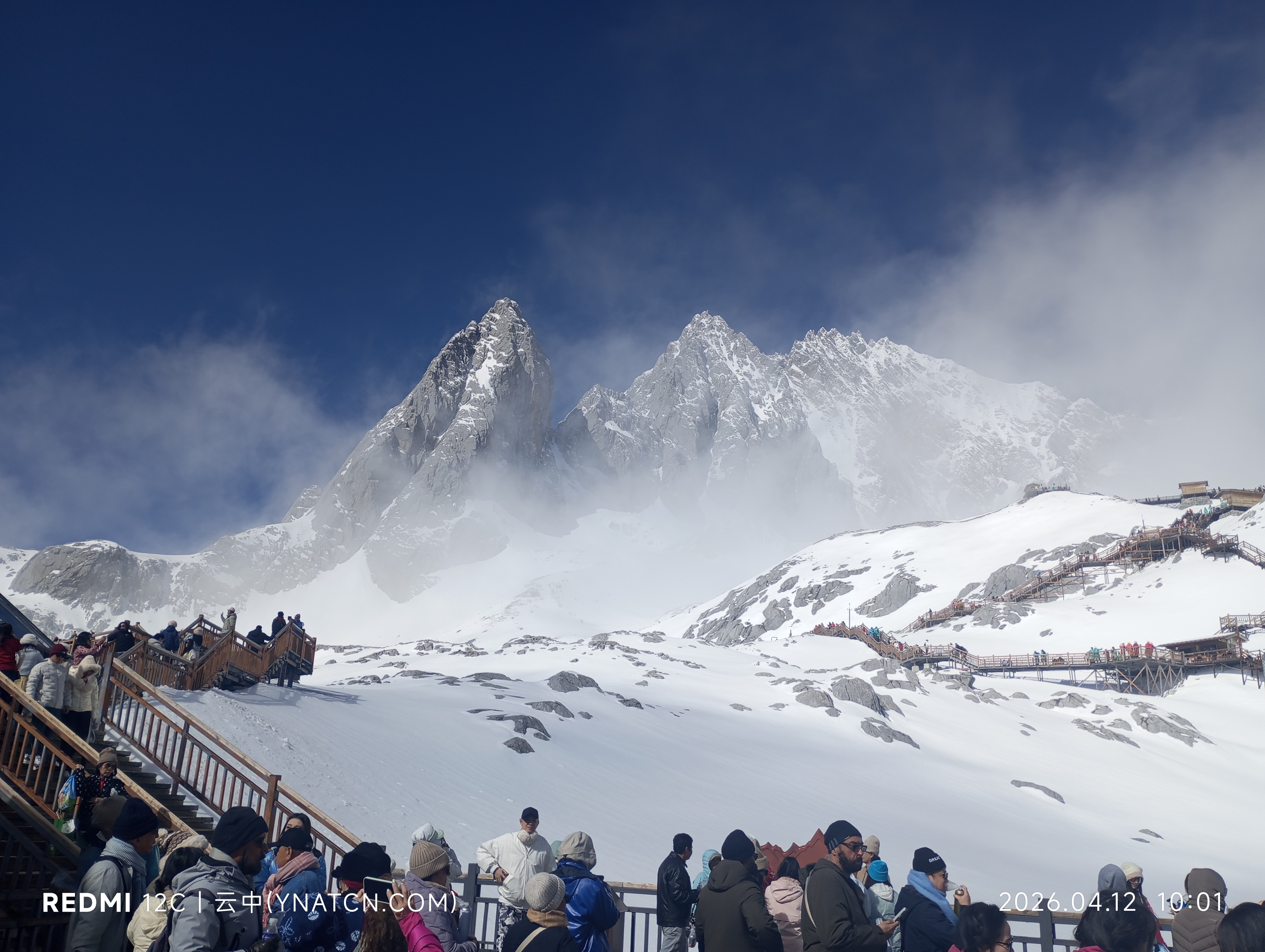
    • Jade Dragon Snow Mountain: Iconic peaks with glacier parks and Impression Lijiang show.
  3. Dali
    • Dali Ancient Town: Cobblestone streets and Bai ethnic culture.
    • Erhai Lake: Cycle around the lake or visit traditional villages.
  4. Shangri-La (Zhongdian)
    • Songzanlin Monastery: Tibet-style “Little Potala Palace.”
    • Dukezong Ancient Town: Tibetan architecture and prayer wheels.
  5. Xishuangbanna
    • Mengla Tropical Botanical Garden: Explore rainforest biodiversity.
    • Dai Minority Park: Experience Water-Splashing Festival (mid-April).

Natural Landscapes

  • Yuanyang Rice Terraces: UNESCO terraces with breathtaking sunrise views.
  • Pudacuo National Park (Shangri-La): Pristine lakes and meadows.
  • Three Parallel Rivers (Nujiang, Lancang, Jinsha): UNESCO-protected rivers with dramatic gorges.
  • Tiger Leaping Gorge: Legendary hiking trail near Lijiang.
  • Dongchuan Red Land: Vibrant, photogenic farmland.

Cultural & Historical Gems

  • Jianshui:
    • Jianshui Ancient Town: Ming/Qing-era architecture.
    • Swallow Cave: Massive limestone cave with swallows.
  • Shaxi Ancient Town: Quiet Tea Horse Road stop with Friday market.
  • Meili Snow Mountain: Sacred Kawa Karpo peaks and pilgrimage routes.

Adventure & Offbeat Destinations

  • Nu River Valley (Nujiang): Remote trekking and Lisu ethnic culture.
  • Cangshan Mountain (Dali): Cable car rides and hiking trails.
  • Puzhehei: Karst scenery and boat rides in a lesser-known area.

Practical Tips

  • Best Time to Visit:
    • Spring (March–May) and autumn (September–November) for mild weather.
    • Winter for Yuanyang terraces; summer for Shangri-La’s meadows.
  • Transport:
    • Kunming is the main hub with flights/trains to major cities.
    • Buses connect rural areas; private drivers recommended for flexibility.
  • Cuisine: Try Crossing the Bridge NoodlesXuanwei ham, and Pu’er tea.
  • Altitude Precautions: Acclimatize in Shangri-La (3,200m) to avoid sickness.
  • Cultural Etiquette: Respect local customs in ethnic villages (e.g., ask before photographing).

Yunnan offers a blend of serene nature, vibrant cultures, and adventurous trails. Whether exploring ancient towns or hiking majestic gorges, this province promises an unforgettable journey. 🌄🍜🏔️

Yulong Snow Mountain

Yulong Snow Mountain, also known as Jade Dragon Snow Mountain, is in Yunnan Province, China. It’s part of the Hengduan Mountain Range. I should confirm the location first.

The mountain is famous for its stunning snow-capped peaks. The highest peak is Shanzidou, which I think is around 5,596 meters. That’s pretty high, so I should double-check that number. Also, it’s a popular tourist destination, so there must be attractions like cable cars or hiking trails.

There’s a glacier park there, right? The Baishui Glacier, maybe? That’s a key feature. Visitors can take a cable car up to the glacier park for views. I need to mention that. Also, the mountain is near Lijiang, which is a UNESCO World Heritage Site. That’s important for context.

The cultural aspect is significant too. The Naxi people live in the area, and their culture is tied to the mountain. The Impression Lijiang show directed by Zhang Yimou is performed there. I should include that as a highlight.

Visiting tips: best times are spring and autumn, altitude sickness precautions, entrance fees, and transportation from Lijiang. Also, the Blue Moon Valley is a notable spot with turquoise lakes.

I should structure the information into sections: overview, key features, activities, cultural significance, tips, and nearby attractions. Make sure the facts are accurate, especially the height of the peak and the correct names of places.

Wait, I should verify the elevation of Shanzidou. Some sources say 5,596 meters, others 5,596 meters. Seems consistent. Also, check the glacier name: Baishui Glacier or Glacier Park. Maybe both names are used. Clarify that.

Including the cable cars: there are three main ones—Glacier Park, Spruce Meadow, and Yak Meadow. Each goes to different elevations. Mention the altitude to warn about possible sickness.

Transportation from Lijiang: about 15 km, so a 30-40 minute drive. Entrance fee around 130 RMB, but prices can change. Best time to visit: March to May and September to November for clear skies and mild weather.

Nearby attractions: Lijiang Old Town, Tiger Leaping Gorge. Emphasize the natural beauty and cultural experiences.

Double-check all facts to ensure accuracy. Avoid any markdown formatting as requested. Keep the language clear and conversational.

Yulong Snow Mountain (Jade Dragon Snow Mountain)
Located in Yunnan Province, China, near Lijiang, Yulong Snow Mountain is a majestic natural and cultural landmark renowned for its dramatic peaks, glaciers, and rich ethnic heritage.

Key Features:

  • Highest Peak: Shanzidou (5,596 meters/18,360 feet), perpetually snow-capped.
  • Glacier Park: Home to the Baishui Glacier, accessible via cable car, offering breathtaking views at 4,680 meters.
  • Blue Moon Valley: A striking valley with turquoise lakes and waterfalls, framed by forested slopes.

Activities:

  • Cable Car Rides: Three routes to Glacier Park, Spruce Meadow (3,240m), and Yak Meadow (3,800m).
  • Hiking: Trails for all levels, from leisurely walks to challenging climbs.
  • Cultural ShowsImpression Lijiang, an outdoor spectacle directed by Zhang Yimou, showcasing Naxi culture.

Cultural Significance:

  • Sacred to the Naxi people, who consider it a spiritual symbol.
  • Featured in local legends and Dongba religious practices.

Travel Tips:

  • Best Time to Visit: Spring (March–May) and autumn (September–November) for clear skies.
  • Altitude Precautions: Acclimatize gradually; oxygen cans are available.
  • Entrance Fee: ~¥130 (varies by season); additional costs for cable cars.
  • Transport: 30–40 minutes from Lijiang by taxi/bus.

Nearby Attractions:

  • Lijiang Old Town: UNESCO site with traditional architecture.
  • Tiger Leaping Gorge: Renowned hiking destination along the Yangtze River.

Yulong Snow Mountain seamlessly blends natural grandeur with cultural depth, making it a must-visit in Yunnan

Tengchong

It’s known for its volcanic areas and hot springs. There’s also some historical significance, maybe related to the Burma Road during World War II.

I should check if there’s any recent developments or if there are specific aspects the user is interested in. Since the query is just “Tengchong”, they might want general information. Let me structure the response by covering geography, history, tourism highlights like the volcanoes and hot springs, cultural aspects like the local ethnic groups, and maybe some transportation info.

Wait, I should verify the population and the exact location. Tengchong is in western Yunnan, part of Baoshan Prefecture. The volcanic park there is a major attraction. Also, the Heshun Ancient Town is a notable site. Oh, and the Tengchong Volcanic Geological Museum might be worth mentioning.

Don’t forget the Rehai Geothermal Area with the hot springs. Maybe mention the best time to visit, like avoiding the rainy season. Also, the Tengchong segment of the Burma Road and its role in the war. There’s a cemetery for WWII soldiers there too.

I should make sure the information is up-to-date. Are there any new tourist facilities or recent events in Tengchong? Not sure, but general info should be safe. Also, mention the ethnic diversity, like the Han, Hui, and Dai people living there. Maybe a bit about local cuisine or festivals.

Need to present this in a clear, conversational way without markdown. Keep paragraphs short. Start with an overview, then geography, history, attractions, culture, and practical info like how to get there. Avoid jargon. Make sure it’s accurate and covers the main points.

Tengchong, a county-level city in Yunnan Province, China, is a destination rich in natural wonders, historical significance, and cultural diversity. Here’s an overview:

Geography & Climate

Located in western Yunnan near the Myanmar border, Tengchong sits on the edge of the Tibetan Plateau. Its mountainous terrain, volcanic landscapes, and lush forests contribute to a mild subtropical climate, with warm summers and cool winters. The rainy season (June–September) may affect travel plans.

Natural Attractions

  1. Volcanic Landscapes: The Tengchong Volcanic Geological Park features dormant volcanoes, lava fields, and the Volcano Museum. Visitors can hike Ma’anshan or fly over in hot-air balloons for panoramic views.
  2. Hot Springs: The Rehai Geothermal Area boasts bubbling pools, fumaroles, and therapeutic hot springs like Dagunguo and Zhuyuan.
  3. Wetlands & ForestsBeihai Wetland Reserve offers seasonal blooms, while Gaoligong Mountains are a biodiversity hotspot with hiking trails.

History & Culture

  • Ancient Tea-Horse Road: Tengchong was a key hub for trade between China and Southeast Asia.
  • WWII Significance: The city played a role in the China-India-Myanmar theater. The Guoshang Cemetery commemorates Chinese Expeditionary Force soldiers.
  • Heshun Ancient Town: A well-preserved Ming-Qing era town with traditional architecture, libraries, and ancestral halls.

Ethnic Diversity

Home to Han, Hui, Dai, and Lisu communities, Tengchong hosts vibrant festivals like the Torch Festival (Lisu) and Water-Splashing Festival (Dai). Local cuisine includes rice noodles, volcanic stone hotpot, and “Daqiao” rice cakes.

Practical Info

  • Transport: Reach via Tengchong Tuofeng Airport (flights from Kunming, Chengdu) or by bus from Kunming (8–10 hours).
  • Best Time to Visit: Spring (March–May) and autumn (October–November) for mild weather and clear skies.

Tengchong seamlessly blends adventure, relaxation, and cultural immersion, making it a standout destination in Yunnan.