The Three Pagodas of Chongsheng Temple (崇圣寺三塔)

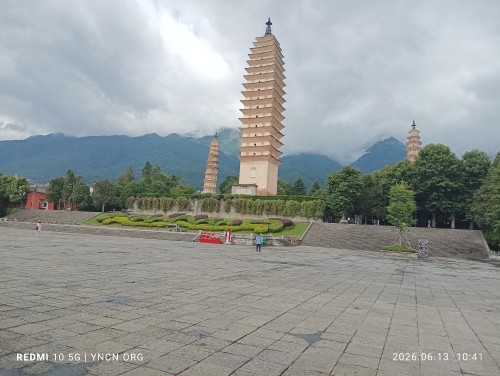
The Three Pagodas are Dali’s most iconic landmark — a trio of ancient Buddhist towers that have stood for over 1,200 years between Cangshan Mountain and Erhai Lake.


Architecture & Layout

The three pagodas are arranged in an isosceles triangle formation, with the main pagoda in the center and two smaller ones flanking it to the north and south.

Pagoda Name Height Stories Shape Dynasty Built
Main Qianxun Pagoda (千寻塔) 69.13 m 16 Square Tang Dynasty (Nanzhao Kingdom, ~823–859 AD)
North North Small Pagoda 42.19 m 10 Octagonal Song Dynasty (Dali Kingdom, ~1108–1172 AD)
South South Small Pagoda 42.19 m 10 Octagonal Song Dynasty (Dali Kingdom, ~1108–1172 AD)

The main Qianxun Pagoda is a square, multi-eaved hollow brick pagoda in classic Tang Dynasty style — similar to Xi’an’s Small Wild Goose Pagoda. The two smaller pagodas reflect Song Dynasty elegance with their octagonal design.


History

Origins (9th Century)

Built during the reign of Nanzhao King Quan Fengyou (劝丰祐, 824–859 AD), the pagodas were originally part of the grand Chongsheng Temple — the royal monastery of the Nanzhao and later Dali Kingdoms.

The “Buddhist Capital”

At its peak, Chongsheng Temple was one of the largest Buddhist complexes in Southeast Asia:
  • 890 rooms
  • 11,400 Buddha statues
  • Used 40,590 jin of copper
  • 9 of the 22 kings of the Dali Kingdom became monks here

This is why Dali was known as the “Land of Fragrant Buddhas” (妙香佛国). The temple also inspired the Tianlong Temple in Jin Yong’s famous wuxia novel Demi-Gods and Semi-Devils.

Destruction & Survival

The original Chongsheng Temple was destroyed by war during the Qing Dynasty — only the Three Pagodas survived. The current temple complex was rebuilt in 2005 near the original site.


The Earthquake Miracle

The Three Pagodas have survived over 30 major earthquakes in 1,200+ years — a testament to extraordinary ancient engineering:
  • 1514 (Ming Dynasty): A massive earthquake caused the Qianxun Pagoda to crack “like a split bamboo” — yet it healed itself within 10 days.

  • 1925: Another devastating earthquake destroyed 99% of Dali’s houses. The pagodas only lost their top ornaments.

The pagodas have actually been leaning for over 400 years but remain structurally sound — built directly on soil without stone foundations, using angled brickwork and smart engineering.


Legend: “Subduing the Dragons”

Ancient Dali was a marshy “land of water spirits” prone to floods. According to the Jinshi Cuibian:
“Dragons revere pagodas but fear the golden-winged roc bird.”

The pagodas were built to suppress water spirits and prevent floods. The golden-winged roc bird (大鹏金翅鸟) statue atop the main pagoda symbolizes this protective purpose. The screen wall in front bears the inscription “Eternal Guardian of Mountains and Rivers” (永镇山川).


How They Were Built

Legend says the pagodas were constructed using a remarkable technique:
  • “Stack earth to build the tower, then dig away the earth to reveal it” — workers piled soil around the tower as they built upward, then excavated to expose the finished structure.
  • Goats carried bricks — the village of Yinqiao (银桥) was once called “Pagoda Bridge Village” (塔桥村) because of this.
  • 8 years of construction, 770,000+ workers, 40,000+ jin of gold

In 1978, archaeologists discovered 680+ precious artifacts inside the pagodas during restoration — metalwork, jewelry, and medicinal herbs from the Nanzhao and Dali Kingdoms, now displayed in the Yunnan Provincial Museum.


Visiting Information

Details
Location 1.5 km northwest of Dali Ancient Town, at the eastern foothills of Cangshan Mountain
Opening Hours 7:10–19:00 (May–Oct 7); 7:30–18:30 (Oct 8–Apr)
Ticket ¥120 per person (battery car not included)
Time Needed ~2–3 hours
Best Time March–April (spring flowers); morning for soft light & fewer crowds
Designation First Batch National Key Cultural Relic (1961) — one of China’s earliest protected heritage sites


Recommended Walking Route (~2.5 hours)

  1. Three Pagodas → admire the architecture & take photos at the reflection pool
  2. Jianji Great Bell (南诏建极大钟) → historic bell from 871 AD
  3. Rain-Copper Guanyin Hall (雨铜观音殿)
  4. Chongsheng Temple (rebuilt complex) → climb up for panoramic views
  5. Wanghai Tower (望海楼) → highest point, overlooking Erhai Lake

Photo Tips

  • The reflection pool in front of the pagodas is the classic shot — best in morning light
  • From the upper levels of Chongsheng Temple, you get a stunning bird’s-eye view of the pagodas with Cangshan and Erhai in the background
  • The pagodas are also visible from Dali Ancient Town and Erhai Lake shores

travel guide for Dali, Yunnan

Overview

Dali is a historic city in northwestern Yunnan, famous for its ancient town, Erhai Lake, and the iconic Cangshan Mountain range. It offers a perfect blend of Bai minority culture, natural beauty, and relaxed backpacker vibes.

Top Attractions

1. Dali Ancient Town (大理古城)

  • The heart of Dali with cobblestone streets, traditional Bai architecture, cafes, and shops
  • Best explored on foot or by bicycle
  • Don’t miss: Foreigner Street (洋人街), Wuhua Tower (五华楼)

2. Erhai Lake (洱海)

  • One of China’s largest highland lakes (~250 km²)
  • Best activities:
    • Cycling the lakeshore (rent e-bikes or regular bikes)
    • Boat rides to islands like Jinsuo Island (金梭岛) or Xiajiyi Island
    • Visiting lakeside villages: Shuanglang (双廊), Xizhou (喜洲), and Caicun (才村)
  • Shuanglang is particularly famous for its scenic views and was once a quiet artists’ retreat

3. Cangshan Mountain (苍山)

  • 19 peaks with the highest at 4,122m (Malong Peak)
  • Take the Gantong Temple Cableway or Xima Pool Cableway for stunning views
  • Hiking trails available for various fitness levels
  • Best visited March–June when azaleas bloom

4. Xizhou Town (喜洲)

  • A well-preserved Bai minority village
  • Famous for Xizhou Baba (喜洲粑粑) – a local savory pastry
  • Traditional Bai courtyard houses with exquisite wood carvings

5. Three Pagodas of Chongsheng Temple (崇圣寺三塔)

  • Iconic symbol of Dali, over 1,000 years old
  • Located 1.5 km north of the ancient town
  • Best photo spot: the reflection pool in front

Best Time to Visit

Season Pros Cons
Spring (Mar–May) Mild weather, flowers blooming Crowded during holidays
Summer (Jun–Aug) Lush greenery Rainy season, occasional downpours
Autumn (Sep–Nov) Clear skies, comfortable temps Popular season
Winter (Dec–Feb) Fewer tourists, sunny days Cold mornings/evenings
Peak season: Chinese New Year, May Day (May 1–5), and National Day (Oct 1–7) — expect crowds and higher prices.

Getting There

From How Duration Notes
Kunming High-speed train ~2 hours Most popular route; book in advance
Kunming Bus ~4–5 hours Less comfortable
Lijiang Bus/train ~2 hours Easy to combine in one trip
Shangri-La Bus ~4–5 hours Scenic but winding mountain roads
Airport: Dali Huangcaoba Airport (DLU) — flights from major Chinese cities

Getting Around

  • Ancient Town: Walking (car-free zone)
  • Erhai Lake: Rent e-bikes (¥40–80/day), bicycles, or hire a car with driver
  • To attractions: Local buses, taxis, or Didi (ride-hailing app)

Local Food to Try

Dish Description
Crossing-the-Bridge Noodles (过桥米线) Yunnan classic rice noodle soup
Xizhou Baba (喜洲粑粑) Crispy stuffed flatbread from Xizhou
Bai-style Sour Fish (白族酸辣鱼) Spicy and sour carp from Erhai Lake
Rose Flower Cake (鲜花饼) Sweet pastry with edible roses
Rushan (乳扇) Fried or grilled dairy “fan” — unique Bai cheese

Recommended Itineraries

2–3 Days (Classic)

  • Day 1: Dali Ancient Town + Three Pagodas
  • Day 2: Erhai Lake cycle (Ancient Town → Xizhou → Shuanglang)
  • Day 3: Cangshan Mountain hike or relax in town

4–5 Days (Relaxed)

  • Add: Jizu Mountain (鸡足山) — Buddhist pilgrimage site
  • Add: Weishan Ancient Town (巍山古城) — less touristy, authentic
  • Add: Butterfly Spring (蝴蝶泉) — best in spring

Practical Tips

  • Altitude: Dali sits at ~2,000m. Most people don’t feel altitude sickness, but take it easy on your first day.
  • Sun protection: UV is strong at this altitude — bring sunscreen, sunglasses, and a hat.
  • Cash vs. mobile pay: WeChat Pay and Alipay work almost everywhere; cash rarely needed.
  • Language: Mandarin is spoken; basic English in tourist areas.
  • Dress code: Casual and comfortable; layers recommended due to temperature swings.

Nearby Destinations to Combine

  • Lijiang (2 hrs north) — another UNESCO ancient town, more commercial but stunning
  • Shangri-La (4–5 hrs north) — Tibetan culture, alpine scenery
  • Kunming (2 hrs by train) — Yunnan’s capital, “City of Eternal Spring”

Lijiang, Yunnan — what travelers love, what frustrates them

The First Impression: A Living Postcard

Walking into Lijiang Old Town (Dayan) feels like stepping into a watercolor painting of ancient China. Cobblestone streets wind past wooden Naxi houses with upturned eaves, small bridges arch over crystal-clear canals, and red lanterns glow at dusk. The UNESCO World Heritage site is undeniably beautiful — some call it “more scenic, smaller, and sweeter” than Dali, with a charm that “sucks you in” whether you’re a first-time visitor to China or a photography enthusiast.

The town’s layout — “main streets by water, alleys by streams” — is praised as a masterpiece of urban planning that still functions after 800 years. The ancient water-supply system, with its intricate network of canals, continues to work today, a testament to Naxi engineering.


The Cultural Soul: Naxi Heritage

Lijiang is the heartland of the Naxi people, a matrilineal ethnic group with a unique Dongba pictographic script — one of the last living pictographic writing systems in the world. The city is home to roughly 300,000 Naxi, alongside 21 other minority groups, creating a rich cultural tapestry.

Key cultural touchstones:
  • Dongba Culture: Ancient shamanistic traditions, rituals, and the famous Dongba manuscripts
  • Naxi Ancient Music: A haunting, centuries-old musical tradition performed by elderly musicians
  • Mu Family Mansion: The former seat of Naxi chieftains, showcasing Ming dynasty architecture
  • Baisha Murals: Religious paintings blending Tibetan, Han, and Naxi artistic styles


The Iconic Sights

Attraction The Impression
Jade Dragon Snow Mountain Sacred to the Naxi people; the glacier park cable car rises to 4,506m with hiking to 4,680m. On clear days, it’s breathtaking. On cloudy days, it can be a crushing disappointment if the gondola closes.

Blue Moon Valley Turquoise travertine pools that look “like a fairyland” in photos. Reality check: heavily touristy, with yaks for selfies and wedding shoots everywhere. Color depends heavily on sunlight.

Impression Lijiang Zhang Yimou’s outdoor performance set against the snow mountain — widely called “incredible” and a must-see.

Shuhe & Baisha Ancient Towns Quieter alternatives to Dayan. Baisha is described as the “most original Naxi town” with an artistic, niche vibe.

Lugu Lake A 2-day trip to the “Daughter’s Kingdom” of the Mosuo people, famous for its “walking marriage” tradition and water flowers (May–October).


The Two Faces of Lijiang

What Travelers Love

  • The Atmosphere: Early mornings are magical — crisp air, empty alleys, the scent of freshly baked rose cakes, and locals starting their day.

  • The Nightlife: Bar Street comes alive after dark with live music, neon lights, and a festive energy some describe as “a paradise on earth.”

  • The Food: Lijiang Smoked Pork Rib Hotpot, Naxi Grilled Fish, and wild mushroom dishes are standouts.

  • Emotional Uplift: Research analyzing 325 tourist reviews found that 66.8% expressed positive emotions during night tours, attributing this to good experiences and safe management.

What Frustrates Travelers

  • Commercialization: This is the elephant in the room. In a study of 2,413 reviews, “commercialization” appeared 385 times — the most frequent complaint. Souvenir shops, silver jewelry stalls, and chain stores dominate many streets.

  • The Crowds: “People mountain, people sea” (人山人海) — especially on weekends and Chinese holidays. Day-trippers flood in midday, making the narrow alleys feel suffocating.

  • The “Romance” Marketing: Lijiang has aggressively branded itself as the “City of Romance” and “City of Encounters” (艳遇之都). Surveys show 97.5% of tourists associate Lijiang with “romantic encounters” — a image that overshadows its historical and cultural depth, and has led to issues like “wine托” scams in bars.

  • Price Gouging: Complaints about overpriced food, poor food quality, and aggressive shopkeepers are common in negative reviews.

  • Safety Incidents: Past reports of tourist assaults, taxi scams, and forced shopping have damaged its reputation, though authorities have been working to clean this up.


The Verdict: Is It Worth It?

Yes — but with the right expectations.

Lijiang is not a “raw, untouched” destination. It is a polished, tourist-oriented ancient town that delivers on aesthetics and convenience. As one traveler put it: “If you are looking for a raw untouched and rugged experience, this may not be your favourite town… [but] it is a perfect blend of touristic (bringing the amenities you want) with a sweet heart that sucks you in.”

Another candid assessment: “Lijiang is an excellent sightseeing spot with distinctive features, but it doesn’t quite reach ‘soul-stirring.'”


Tips for a Better Impression

Tip Why It Matters
Go early morning or late evening Avoid the midday tour-group crowds. The town transforms at dawn.

Stay inside the old town Immerse yourself fully; hotels like Hotel Indigo sit right at the edge so you don’t drag luggage over cobblestones.

Escape to Shuhe or Baisha For quieter, more authentic Naxi atmosphere.

Book Jade Dragon Snow Mountain tickets early They sell out fast; weather can cancel the glacier gondola last-minute.

Best seasons: March–May or September–November Spring for flowers, autumn for crisp air and clear mountain views. Summer is lush but rainy; winter is cold but crowd-free.


In One Sentence

Lijiang is a visually stunning, culturally rich, and undeniably commercialized ancient town — beautiful enough to enchant you, busy enough to test your patience, and memorable enough to keep you talking about it long after you leave.

Dali, Yunnan

1. Overview & Geography

  • Location: Northwestern Yunnan Province, on the southern shore of Erhai Lake, with the Cangshan Mountain range to the west.
  • Nickname: Known as the city of “Wind, Flower, Snow, and Moon” (风花雪月) — referring to the four iconic sights: Xiaguan wind, Shangguan flowers, Cangshan snow, and Erhai moon.
  • Climate: Low-latitude plateau monsoon climate. Summers are hot and humid; winters are mild and dry. Large day-night temperature differences year-round — bring layers.


2. Top Attractions

A. Natural Landscapes


Attraction Highlights
Erhai Lake Yunnan’s second-largest freshwater lake; ~130 km shoreline. Free entry. Best explored by bike, e-scooter, or cruise. Highlights: Panxi S-Bay, Shuanglang, Little Putuo Island, Xizhou.

Cangshan Mountain Snow-capped peaks; three main cableways (Ximatan, Gantong, Zhonghe). Features Cloud Traveler’s Path, Zhonghe Temple, and rhododendron blooms (May–July).

Butterfly Spring Famous for swarms of butterflies gathering in spring; tied to Bai love legends.

B. Historic & Cultural Sites


Attraction Highlights
Dali Old Town Ancient political/cultural center with Song–Qing dynasty architecture. Key spots: South Gate, Wuhua Tower, Cangshan Gate, Foreigner Street (Yangren Jie), Bai ethnic courtyard houses.

Chongsheng Temple & Three Pagodas Tang Dynasty Buddhist complex; central pagoda is ~1,200 years old. Iconic symbol of Dali.

Xizhou (喜洲) Well-preserved Bai minority town with traditional residences, rice fields, and the famous Xizhou Baba (crispy flatbread).

Shuanglang (双廊) Scenic fishing village on Erhai’s northeast shore; popular for lakeside cafés and sunset views.

Zhoucheng Village Center of Bai tie-dyeing (intangible cultural heritage); visitors can make their own scarves.

Tianlong Temple Magnificent temple; said to be the prototype for the one in Jin Yong’s wuxia novel Demi-Gods and Semi-Devils.

C. Extended / Niche Destinations

  • Shaxi Ancient Town — World Memorial Heritage site on the old Tea Horse Road; known for its Friday horse caravan market and Ming dynasty murals.

  • Jizu Mountain (鸡足山) — Buddhist Zen birthplace; famous for sunrise views and sea-of-clouds scenery.

  • Weishan Ancient City — Birthplace of the Nanzhao Kingdom; retains Ming/Qing layout and famous for “one-strand noodles.”


3. Culture & Ethnic Heritage

  • Bai People: Dali is the heartland of the Bai ethnic group. Their traditional architecture features “three rooms and one screen wall” (三坊一照壁), blue-tiled roofs, and white walls.
  • Three-Course Tea (三道茶): A ceremonial tea service representing the flavors of life — bitter, sweet, and aftertaste.

  • Tie-Dyeing (扎染): Traditional indigo dyeing craft still practiced in Zhoucheng.

  • March Street (三月街): A thousand-year-old Bai traditional market held during the lunar 3rd month (April/May), featuring horse racing, folk songs, and trade.


4. Food & Drink


Dish Description
Crossing-the-Bridge Noodles (过桥米线) Classic Yunnan rice noodle soup
Bai Sour & Spicy Fish (酸辣鱼) Signature Bai-style fish from Erhai
Rushan (乳扇) Fried or grilled milk fan — a local dairy snack
Xizhou Baba (喜洲粑粑) Crispy, layered flatbread (sweet or savory)
Wild Mushroom Hotpot Seasonal Yunnan specialty (summer/autumn)
Flower Cakes (鲜花饼) Rose-filled pastries, popular as souvenirs
Shengpi (生皮) Raw pig skin — a bold local delicacy


5. Transportation


Mode Details
High-Speed Rail Best option. Kunming → Dali in ~2 hours (~145 RMB); Dali → Lijiang in ~1.5–2 hours (~80 RMB).

Air Dali Airport is ~13 km from the city. Direct flights from major Chinese cities; taxis to town ~50 RMB.

Local Transport E-bikes (~50–80 RMB/day) for Erhai loop; taxis and ride-hailing apps available in town.


6. Suggested Itineraries

Classic 3-Day Route

  • Day 1: Dali Old Town → Wuhua Tower → Foreigner Street → Evening bar/café
  • Day 2: Cangshan Mountain (cableway + Cloud Traveler’s Path) → Chongsheng Temple Three Pagodas
  • Day 3: Erhai Lake loop (Xizhou → Shuanglang → Panxi S-Bay → Caicun Pier sunset)

Extended 4-Day Route

  • Day 4: Zhoucheng tie-dyeing experience → Zhang Family Garden → Ideal邦 (Santorini-style photo spot)


7. Practical Tips

  • Best Time to Visit: March–May (spring flowers) and September–November (clear skies, fewer crowds). Winter (Dec–Feb) brings seagulls to Erhai.

  • Altitude: ~2,000 m — generally comfortable, but sun protection is essential due to strong UV.
  • Temperature Swings: Mornings/evenings can be cool even in summer; bring a light jacket.

  • Booking: Reserve accommodation 2–3 weeks ahead during peak seasons and holidays.

  • Etiquette: Respect Bai customs; ask permission before photographing elders.

The Fungi Kingdom of Yunnan

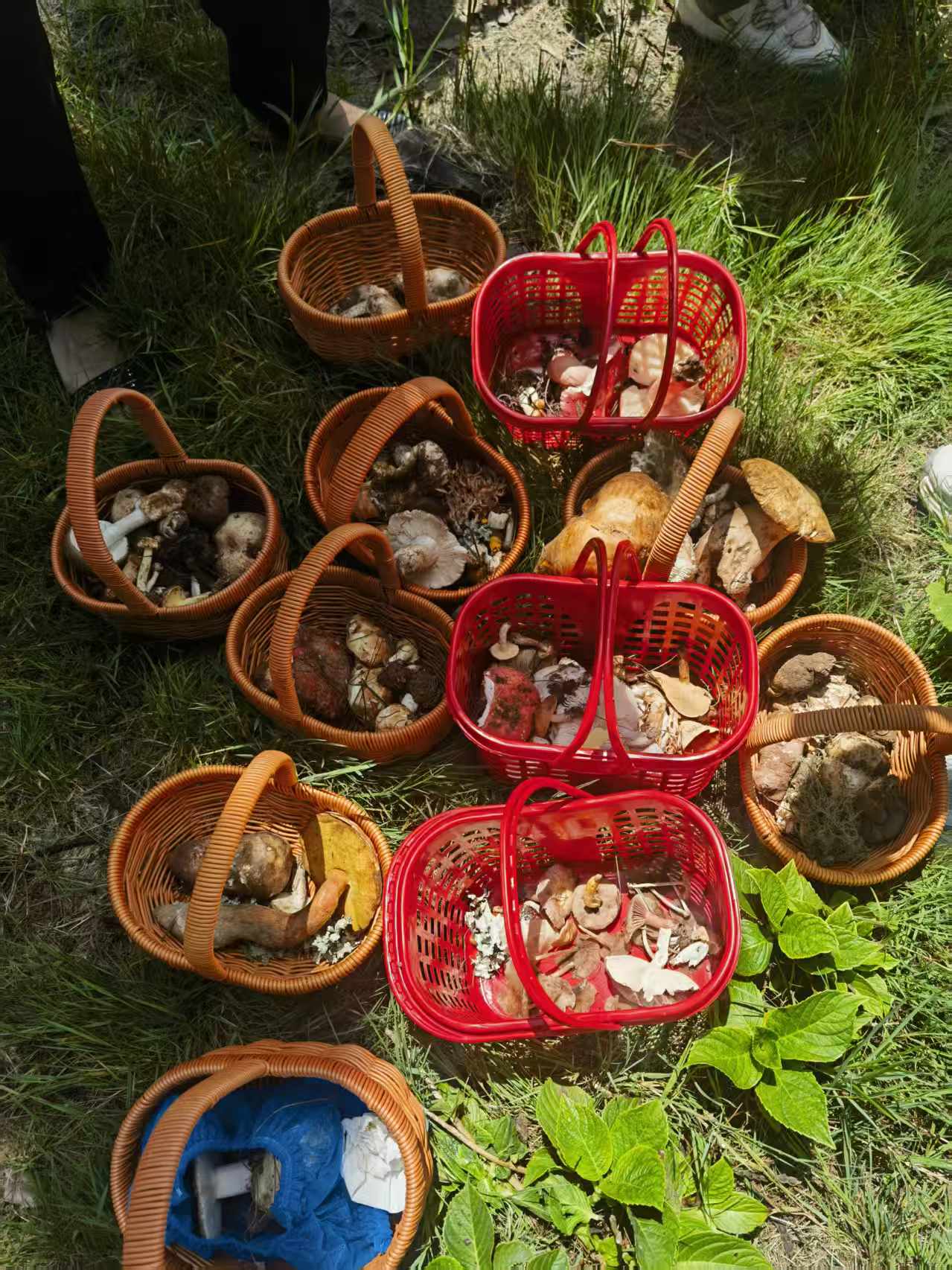
Yunnan is globally recognized as the “Fungi Kingdom” and “Wild Mushroom Kingdom” of China, home to the most diverse wild edible mushroom resources on Earth.

Key Facts

Metric Figure
Known wild mushroom species ~900 species
Percentage of China’s total 90%+
Percentage of global total ~36%
Annual production 500,000 tonnes
Share of national output 70%

Every one of Yunnan’s 129 counties produces wild mushrooms

.


Top 10 Famous Wild Mushrooms

Mushroom Chinese Name Key Characteristics Best Preparation
Ganba Jun 干巴菌 The “King of Mushrooms” in Yunnan hearts; intense aroma like dried beef Stir-fried with green peppers
Matsutake 松茸 “King of Mushrooms”; cannot be cultivated artificially; grows only in pristine forests Butter-seared, sashimi
Termite Mushroom 鸡枞菌 “King of Umami”; grows symbiotically with termite mounds; chicken-like fragrance Soup, oil-preserved
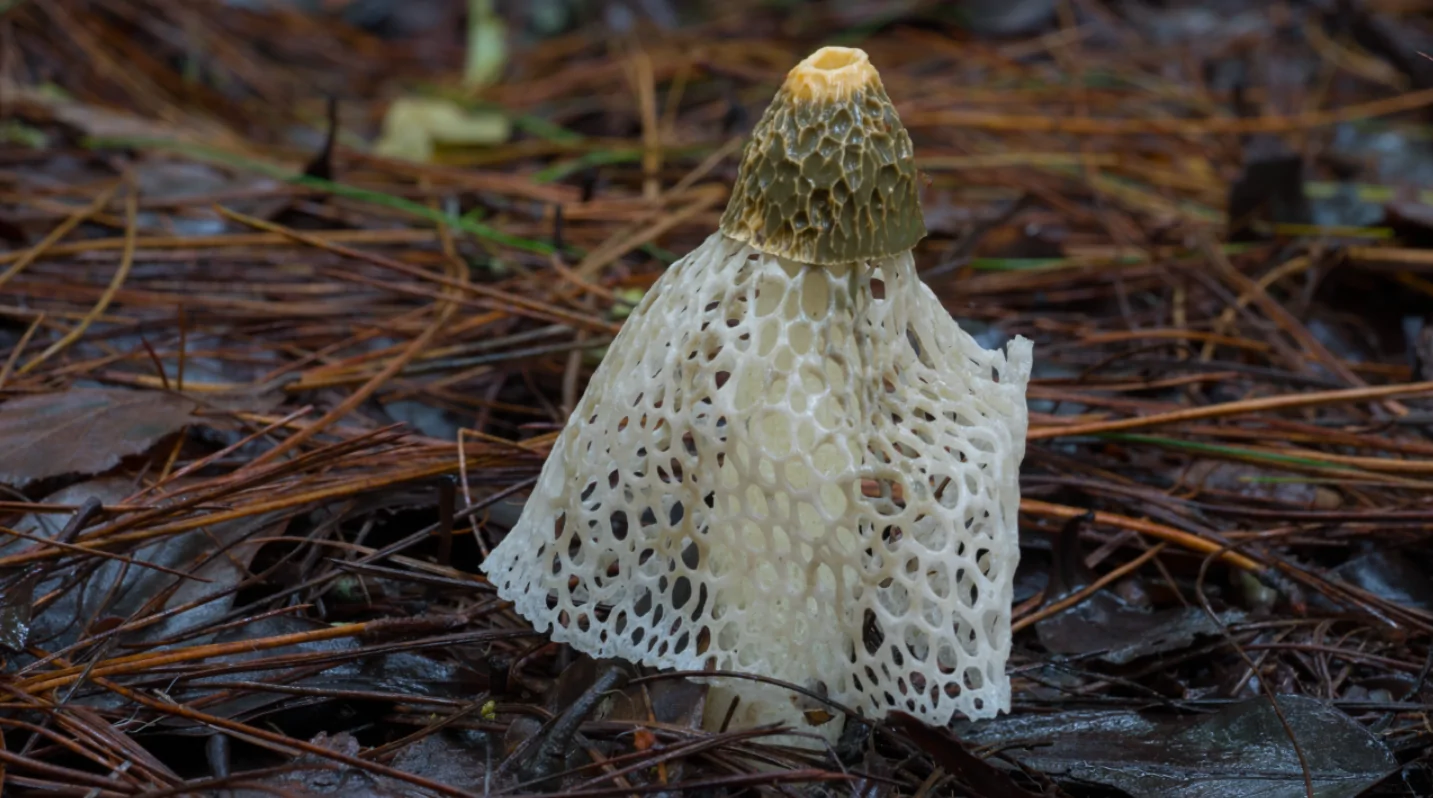
Lantern Stinkhorn 竹荪 Elegant net-like veil; known as “Queen of Mushrooms” Hot pot, soup
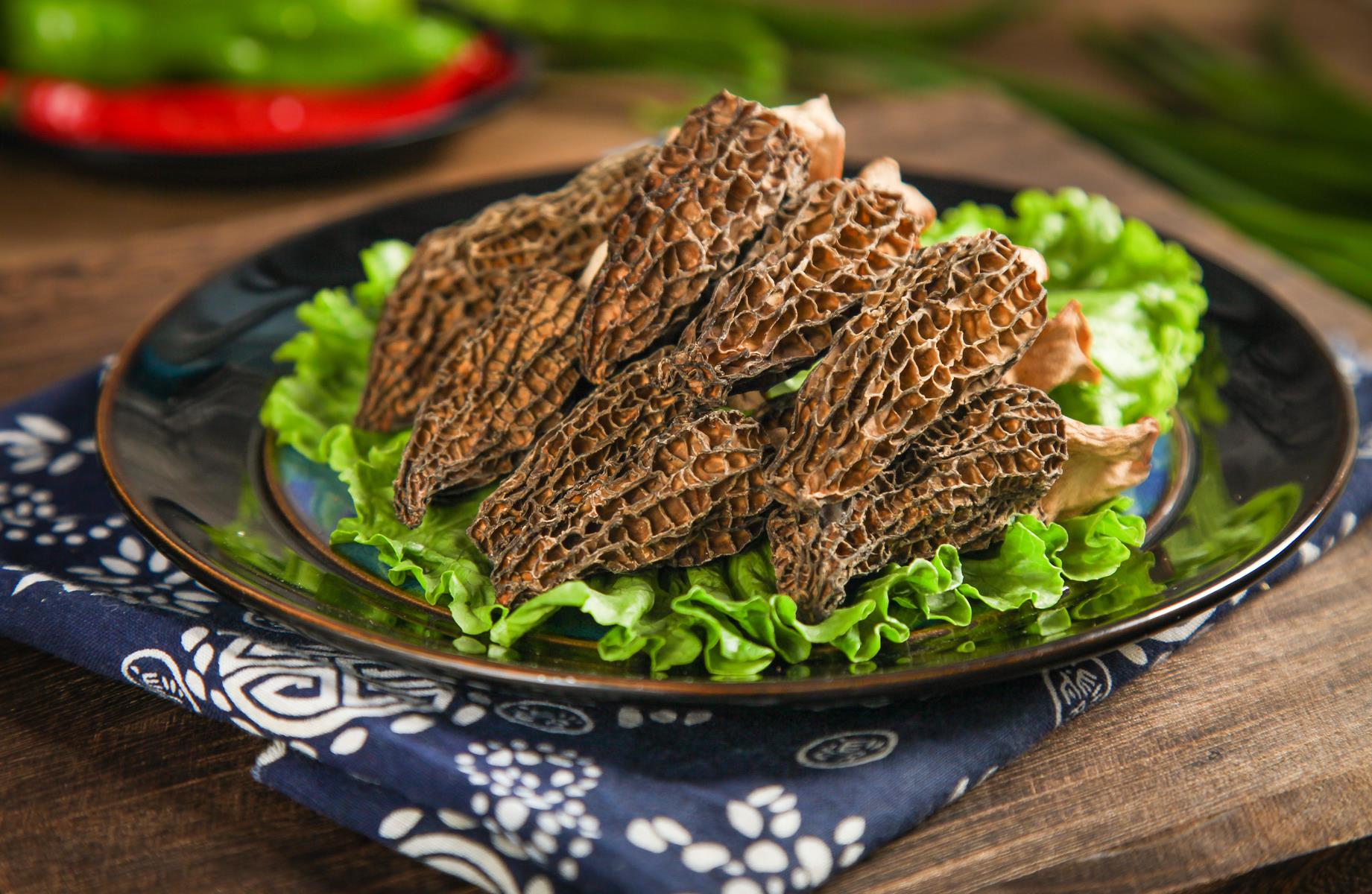
Morel 羊肚菌 Honeycomb cap; rich, earthy flavor Roasted, in soups
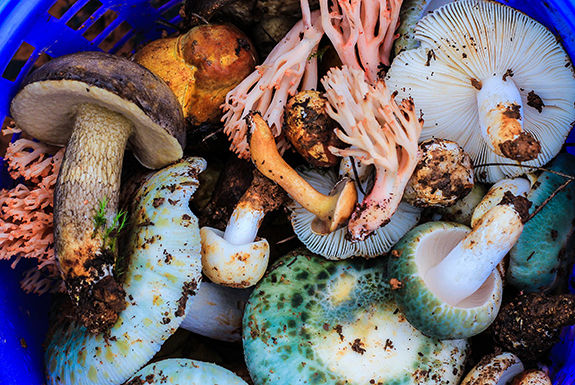
Porcini (Bolete) 牛肝菌 Thick, meaty flesh; comes in white, yellow, and black varieties Stir-fried, in stews
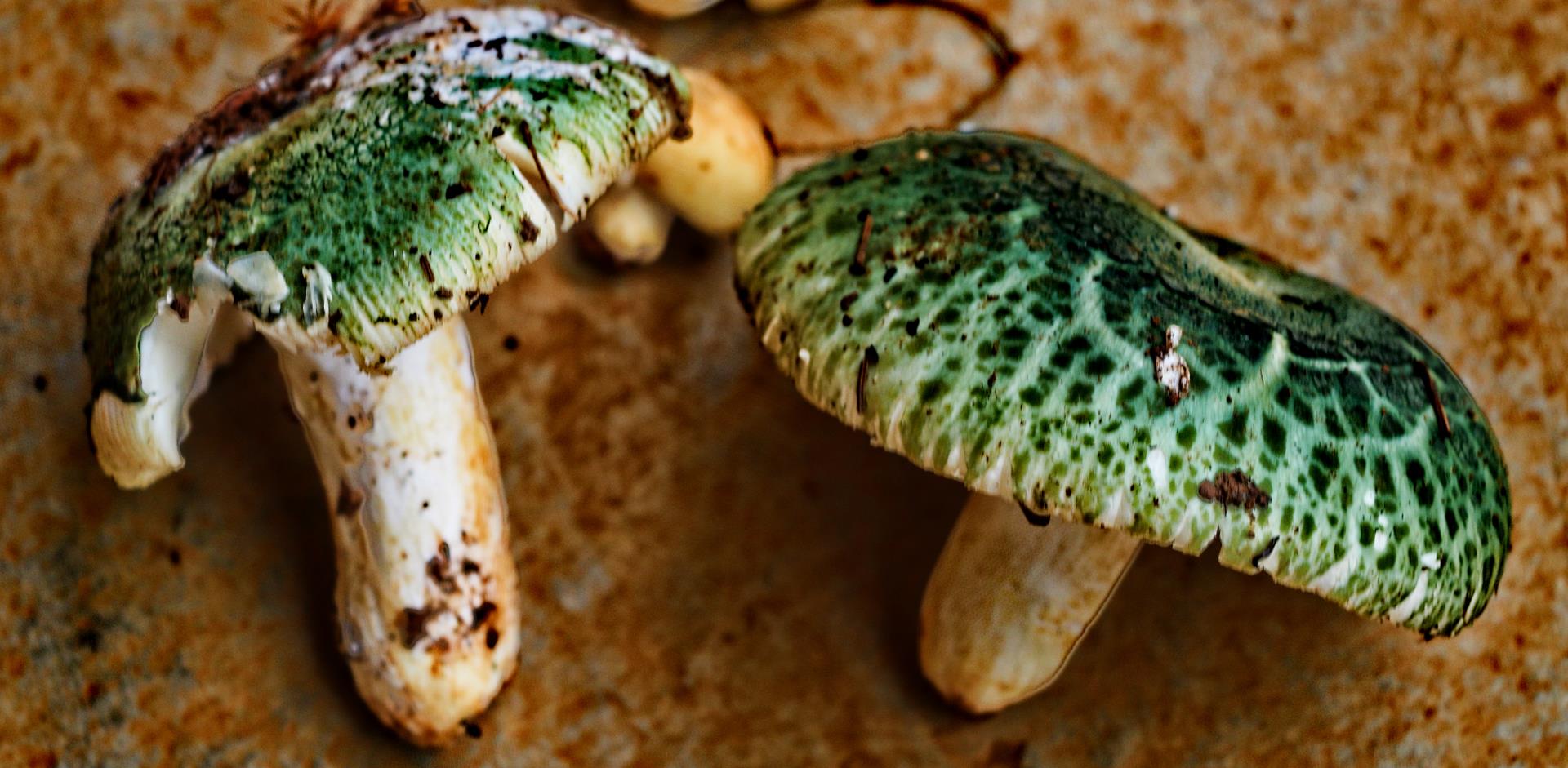
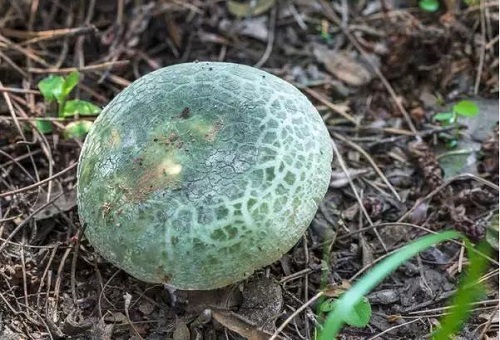
Blue-green Russula 青头菌 Greenish cap; abundant and affordable Stir-fried with cured pork
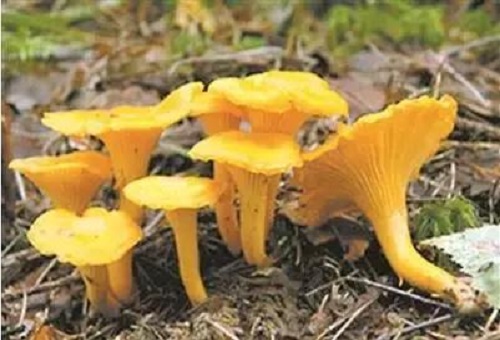
Chanterelle 鸡油菌 Bright golden color; mild peppery taste Sautéed, in soups
Truffle 松露 “Diamond of the kitchen”; grows underground Shaved over dishes
Lion’s Mane 猴头菇 White, shaggy appearance; tender texture Braised, in soups

2026 Season Update

  • First matsutake of 2026 hit the market in May, sourced from Diqing Shangri-La’s Weixi County, with top-grade specimens priced at ¥20,000/kg (~$2,750/kg)

  • First termite mushrooms appeared in early March in Qujing, with a 715g specimen priced at ¥2,600

  • Peak season: Mid-July to August — prices drop dramatically, making this the best time for value

⚠️ Safety First: Poisoning Risk

Yunnan’s CDC released the 2026 Wild Mushroom Poisoning Risk Map:
  • 🔴 High Risk (6 areas): Gucheng, Xishan, Yiliang, Shilin, Anning, Hongta
  • 🟡 Medium Risk (49 areas)
  • 🟢 Low Risk (74 areas)
Critical Rules:
  • Never pick, buy, or eat mushrooms you cannot 100% identify
  • Never mix multiple mushroom species in one dish
  • Must be thoroughly cooked — no raw consumption
  • Do not drink alcohol while eating wild mushrooms
  • Seek immediate medical attention if dizziness, nausea, or hallucinations occur

Best Places to Experience

Destination Specialty What to Do
Kunming Trading hub Visit Muhuashui Wild Mushroom Market or Daguan Market
Chuxiong (Nanhua County) “World Wild Mushroom Kingdom” — 354 known edible species Attend the annual Mushroom Festival
Diqing (Shangri-La) “Hometown of Matsutake” Forage in pristine alpine forests
Lijiang, Dali, Puer, Baoshan Diverse species Local restaurants and mountain markets

Cultural Heritage

Yunnan’s mushroom-eating tradition dates back to the early Shang Dynasty (~1600 BCE), recorded in the Yizhoushu as tribute from the Pu people. Today, wild mushrooms stand alongside Pu’er tea and flower cakes as one of Yunnan’s three great culinary treasures.