
Naxi Dongba culture is the traditional religious, literary, artistic, and philosophical system of the Naxi (Nakhi) people, primarily concentrated in the Lijiang area of northwestern Yunnan, China (with communities also in neighboring Sichuan and Tibet border regions). It is named after the Dongba (东巴; Naxi: dto-mba), the ritual specialists or “wise men/priests” who preserve and transmit it.
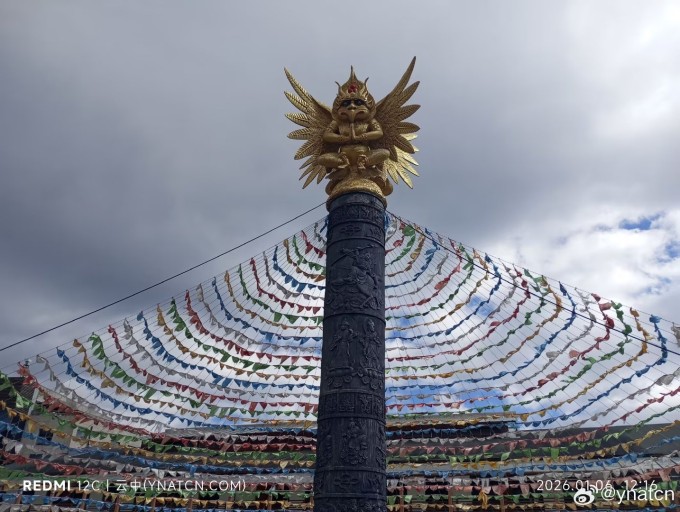
Dongba culture is one of the most distinctive living indigenous traditions in China. Its ancient manuscripts were inscribed on UNESCO’s Memory of the World Register in 2003.
Core Beliefs and Worldview
Dongba religion is fundamentally animistic and polytheistic, centered on the idea that all things—mountains, rivers, trees, animals, rocks, and natural forces—possess spirits. A key myth holds that humans and Nature are half-brothers (sharing the same father but different mothers). Harmony between people and the natural/spiritual world is essential; imbalance brings illness, disaster, or misfortune.
There are thousands of spirits and deities in the pantheon (over 2,400 mentioned in scriptures). Major categories include nature gods (especially serpent-like shu or naga spirits associated with land and water), ancestral gods, protector deities, and a complex hierarchy influenced by Tibetan Bon religion. Important rituals often address propitiating these spirits, expelling demons, healing, funerals, and major life events.
The religion blends indigenous Naxi practices with strong influences from Tibetan Bon (pre-Buddhist Tibetan religion), plus elements of Tibetan Buddhism, Chinese Taoism, and Confucianism, reflecting Lijiang’s historical position as a cultural crossroads.

The Dongba Priests
Dongbas are traditionally male ritual specialists whose knowledge is learned (often passed patrilineally within families, though later apprenticeship expanded).
They serve as intermediaries between humans, gods, and spirits—conducting ceremonies, divination, healing, and reciting sacred texts.
Training involves mastering complex rituals, chanting, dancing, painting, and reading the script; a skilled “great Dongba” can perform dozens of major ceremonies.
They are distinguished from sani (or sanii), another type of Naxi ritual specialist more oriented toward shamanic possession.
Rituals range from short exorcisms to multi-day ceremonies (e.g., funerals, heaven-worship/tian ceremonies, or propitiating nature spirits). Performances involve chanting from scriptures, ritual dancing, music, offerings, and the use of painted wooden tablets, cards, and masks.
Dongba Script and Literature
The Dongba script (Naxi: sə-ʨə lv-ʨə, meaning “marks on wood and stone”) is a pictographic writing system—often called the world’s only living hieroglyphic/pictographic script still in use for religious purposes. It consists of roughly 1,000–1,400 symbols depicting gods, animals, plants, objects, and actions.
Used almost exclusively by Dongbas to record ritual texts (not everyday writing).
There is also a secondary syllabic script called Geba.
More than 30,000 manuscript volumes exist (about 1,000 types/ritual categories), covering mythology, cosmology, history, genealogy, astronomy, medicine, ethics, and daily life. They form an encyclopedic record of traditional Naxi society.
Famous literary works include creation epics, migration stories, and the long “Road to Heaven” (or Sacred Road) painting scroll used in funerals.
Arts and Practices
Dongba culture is highly artistic and performative:
Painting**: Vibrant ritual paintings on paper, wood, or long scrolls (e.g., the famous multi-meter “Sacred Road to Heaven” depicting the afterlife journey).
Dance and music**: Ritual dances (often mimicking animals or deities) and chanting accompany ceremonies.
Crafts**: Wooden tablets, masks, paper cuttings, and offerings made for rituals.
Other elements include traditional Naxi music (distinct from Dongba ritual music), architecture, clothing, and festivals such as the important annual Heaven-worship ceremony.

History and Modern Status
Origins trace to ancient Qiang-related peoples who migrated southward. The system developed over centuries, absorbing Bon influences (legend credits a Bon shaman named Dongba Shilo/Tonpa Shenrab). It flourished until the mid-20th century.
After 1949, and especially during the Cultural Revolution, practices were heavily suppressed. Many manuscripts were lost or scattered (large collections exist overseas). Since the 1980s reform era, there has been a revival under the broader label “Dongba culture” (often framed more as cultural heritage than active religion). Research institutes, museums, and tourism have helped preserve it, though traditional practicing Dongbas remain few, especially fully trained ones from the pre-1949 generation. Transmission continues in some villages and through cultural programs.
Experiencing Dongba Culture in Lijiang
Dongba Culture Research Institute / Museum** (often associated with Black Dragon Pool / Jade Spring Park) — key site for manuscripts, exhibitions, and research.
Other places: Baisha Old Town (historical Naxi center with frescoes), Shuhe or remote villages, Dongba paper workshops, and cultural performances.
Look for ritual demonstrations, pictograph workshops, or traditional music.

Dongba culture remains a living (if transformed) expression of Naxi identity, emphasizing harmony with nature, ancestral memory, and a unique pictorial language that continues to fascinate scholars and visitors.